 Alice Turing
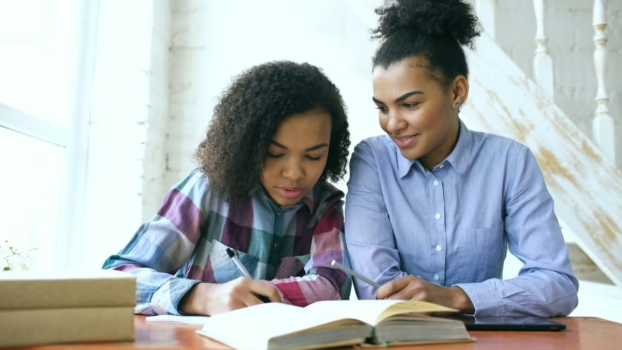
Education is often associated with lectures, assignments, and assessments, yet the student experience extends far beyond structured learning spaces. Growth happens through guidance, encouragement, and consistent support that follows students throughout their educational journey. Academic success is deeply connected to emotional stability, personal confidence, communication ability, and a sense of belonging. When these elements are nurtured outside the classroom, students with disabilities are better equipped to learn, adapt, and move forward with purpose. This broader form of support is made possible by a network of individuals who work together to address the many needs students carry with them each day.
Supporting students beyond the classroom means recognizing that learning is shaped by everyday experiences, relationships, and challenges. It involves helping students navigate transitions, manage responsibilities, and develop skills that prepare them for life beyond education. This support system is intentional, collaborative, and built on trust. Understanding who makes it happen reveals how education becomes meaningful and lasting rather than limited to academic achievement alone.
The Role of Higher Education in Holistic Student Development
Higher education institutions carry a responsibility that goes far beyond delivering academic instruction. They serve students with different abilities, learning styles, and communication needs. Some students enter these environments with challenges that affect how they speak, understand language, or express their thoughts clearly. These challenges can influence classroom participation, social interaction, and overall confidence. To truly support students with disabilities outside formal lessons, institutions must recognize these realities and respond with care and intention.
Some colleges and universities rely on SLPs as part of their broader support systems for students with disabilities. What do speech and language pathologists do? They help people of all ages with communication and swallowing disorders, diagnose, treat, and help manage issues with speech and language (like stuttering, dysphagia).
In educational institutions, they help ensure that students are not limited by communication difficulties and can fully engage in academic and social environments. By including these specialists, higher education institutions reinforce their commitment to accessibility, inclusion, and holistic student development.
Clear communication is essential for learning, collaboration, and personal growth. If students struggle to communicate effectively, it can create barriers that extend beyond coursework and into daily academic life.
Academic Advisors and Personalized Guidance
Academic advisors serve as consistent points of connection throughout a student’s educational path. Their role extends far beyond course planning. Advisors help students clarify goals, reflect on progress, and make informed decisions aligned with their interests and abilities. Through ongoing conversations, they support students in understanding how academic choices connect with personal aspirations.
Advisors also help students navigate challenges that may affect learning, including time management, academic confidence, and changing interests. By listening and offering guidance, they reduce uncertainty and help students feel supported during important transitions. Their presence reinforces the idea that students are not navigating education alone, which builds confidence and motivation.
Counselors Supporting Emotional Well-being
Emotional well-being plays a vital role in a student’s ability to focus, engage, and grow. Counselors provide support that helps students manage stress, uncertainty, and personal concerns that may impact learning. Their work creates a safe space where students can speak openly and feel heard without judgment.
Through regular support, counselors help students develop emotional awareness and coping strategies that serve them throughout life. They also collaborate with educators and support staff to ensure students receive consistent care across learning environments.
Families and Caregivers as Ongoing Support Systems
Families and caregivers play an essential role in supporting students with disabilities beyond the classroom. Their influence shapes attitudes toward learning, responsibility, and self-belief. Even as students gain independence, family support continues to provide emotional reassurance and stability.
When families maintain open communication with educational institutions, students benefit from consistency and understanding. Caregivers offer encouragement, perspective, and guidance that help students navigate challenges, both academic and personal. This ongoing involvement reinforces the value of education and strengthens a student’s sense of support.
Community Involvement and Shared Responsibility
Education is deeply connected to the broader community. Community organizations contribute to student growth by offering opportunities for engagement, learning, and mentorship. These connections help students apply knowledge in meaningful ways and develop a sense of purpose.
Community involvement encourages responsibility, collaboration, and awareness of the world beyond academic settings. By interacting with diverse perspectives and shared goals, students gain skills that support personal and professional development. These partnerships highlight the importance of collective effort in supporting student success.
Support Staff Behind the Scenes
Support staff play a critical role in maintaining environments where students with disabilities can focus on learning and growth. Their work ensures that systems function smoothly and that resources remain accessible. From administrative assistance to student services, their contributions create structure and stability.
Although their roles may not always be visible, their impact is constant. Support staff respond to student needs, manage essential processes, and maintain welcoming spaces. Their dedication allows educators and students to focus on meaningful engagement and progress.
Peer Support and Mentorship
Peers are powerful sources of support throughout the educational journey. Students with disabilities often find understanding and encouragement through shared experiences. Peer mentors and student leaders help create inclusive environments where collaboration and mutual respect thrive.
Through peer relationships, students develop confidence, communication skills, and a sense of belonging. Mentorship grounded in lived experience offers guidance that feels relatable and supportive. These connections strengthen the community and reinforce the idea that learning is a shared experience.
Educators Extending Support Beyond Instruction
Educators play a vital role in supporting students with disabilities outside structured lessons. Their approachability, encouragement, and awareness of student needs help create supportive learning environments. By recognizing individual challenges and strengths, educators foster trust and engagement.
Thoughtful feedback and open communication allow students to feel valued and understood. Educators often guide students toward additional support when needed, reinforcing a culture of care and collaboration. Their influence extends beyond academic content into personal growth and confidence.
Collaboration as the Foundation of Student Support
Supporting students with disabilities beyond the classroom is not the responsibility of one role or department. It is a shared commitment built through collaboration, communication, and respect. Each contributor plays a part in creating an environment where students feel supported in every aspect of their development.
When advisors, counselors, educators, families, community partners, and peers work together, students with disabilities experience education as a connected and meaningful journey. This collective effort ensures that support continues beyond lessons and assessments, preparing students to face challenges with confidence and purpose.

Follow me down the rabbit hole!
I'm Alice and I live with a dizzying assortment of invisible disabilities, including ADHD and fibromyalgia. I write to raise awareness and end the stigma surrounding mental and chronic illnesses of all kinds.