The Ability Toolbox Recovery Hub
Struggling with substance use and mental health challenges? You’re not alone. Welcome to the Ability Toolbox Recovery Hub! These articles from our sponsors can help you find a path forward. For real stories from people living with mental illness, check out our mental health section.
-
Completing an addiction treatment program is a significant accomplishment, but the transition back into everyday life introduces challenges that structured rehabilitation cannot entirely eliminate. Work responsibilities, family relationships, financial pressures and familiar environments can all influence how someone maintains recovery after leaving treatment. Long-term recovery involves more than abstaining from alcohol or drugs. It requires […]
-
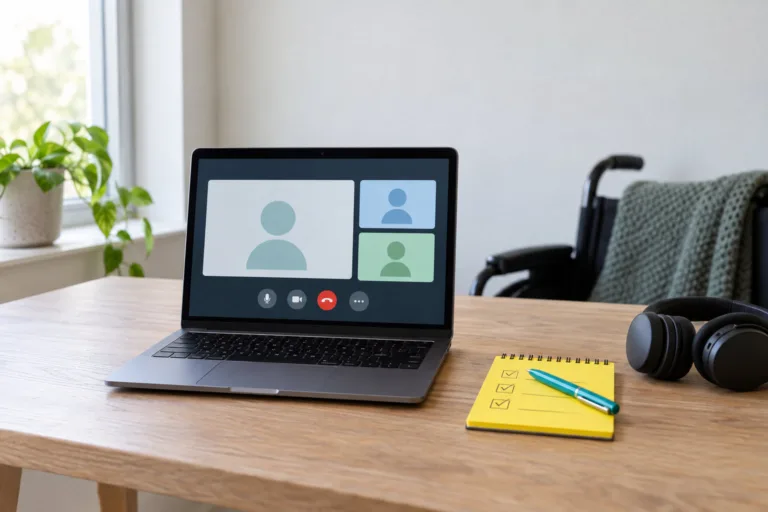
Accessing addiction treatment can be challenging for people with limited mobility, chronic illness, or disabling conditions. Telehealth can offer support by reducing transportation and physical barriers to care. Understanding the benefits and limitations of remote services can help individuals consider options that fit their needs. People experiencing mobility limitations, chronic pain, or fatigue often face […]
-
When someone you care about experiences a mental health crisis, your instinct is to help. You want to be there, to fix things, to make the pain go away. But supporting someone through intense emotional distress while protecting your own well-being requires a delicate balance that many people struggle to maintain. You might find yourself […]
-
Living With Addiction Sleep gets disrupted. Deadlines slip. A phone call goes unreturned for the third day in a row. Addiction rarely stays contained to the hours someone is actively drinking or using a substance, and that’s the part people outside the situation often miss. It spreads into routines, work, money, and the people closest […]
-
Choosing a substance abuse treatment program can feel complicated, especially when websites describe similar services and make similar promises. Women may also have concerns that influence treatment decisions, including pregnancy, parenting responsibilities, trauma histories, mental health conditions and personal safety. The best program is not necessarily the most expensive facility or the one farthest from […]
-
Someone struggling with alcohol or drug use may also experience depression, anxiety, post-traumatic stress disorder or another mental health condition. In some cases, mental health symptoms existed long before substance use became problematic. In others, heavy or prolonged substance use may worsen emotional and psychiatric symptoms. Dual diagnosis treatment addresses a substance use disorder and […]
-
A disability can change a household’s income and regular costs. As those change, some households may need added support. Public programs offer help, but each has its own rules and policies. Some programs look at work history. There are also others that largely consider income and savings. With a clear understanding of the financial resources […]
-
When a loved one has a stroke, it affects the entire family. The time after they leave the hospital is often filled with questions and adjustments for everyone involved. Recognising the path ahead and preparing for the changes can make the transition to home life smoother and more manageable. Life after a stroke is different, […]
-
Individual therapy can help when you live with a chronic illness or disability. Your medical team treats the condition, but therapy can assist with mood, sleep, and relationships. A good therapist referral recognizes the load you carry. It should never be a verdict on whether your symptoms are real. This guide covers what therapy can […]
-
Dementia affects roughly 7.2 million people aged 65 and above in the United States, according to the National Institutes of Health. Of that number, around 80% live with their families, who serve as their primary caregivers. While at-home care eases a dementia patient’s anxiety knowing that their loved ones surround them, it can also be […]
-
Finding prescription glasses your child will actually keep on can feel like a much bigger challenge than the eye exam itself. For many parents of children with autism, it is not just about choosing a frame that looks nice or fits the prescription. It is about finding something that does not immediately get pulled off, […]
-
You’ve probably seen IV therapy move from hospital settings into wellness clinics, athletic recovery spaces, and conversations about energy, hydration, and longevity. That shift has sparked real curiosity, especially in health-focused communities like Highlands Ranch, Colorado, where active lifestyles often shape how people think about preventive care. If you’re trying to sort out what IV […]