
 Alice Turing
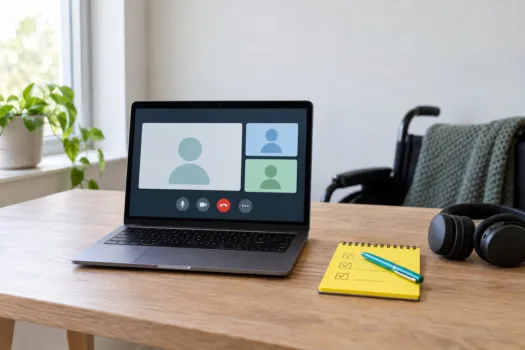
Accessing addiction treatment can be challenging for people with limited mobility, chronic illness, or disabling conditions. Telehealth can offer support by reducing transportation and physical barriers to care. Understanding the benefits and limitations of remote services can help individuals consider options that fit their needs.
People experiencing mobility limitations, chronic pain, or fatigue often face roadblocks when seeking substance use disorder help. Transportation obstacles, the need for home caregiving, or unpredictable energy levels can delay reaching care facilities in person. Renew Health Addiction Recovery Services in Albuquerque, NM offers a range of remote treatment options that may improve access for some people. Renew Health Addiction Recovery Services is a top-rated New Mexico drug and alcohol addiction treatment center.
Why remote access matters for addiction recovery
Mobility restrictions often make attending traditional in-person therapy, assessment, and group sessions difficult. Chronic illness symptoms such as fatigue or pain crises can further complicate participation in structured treatment programs.
Telehealth cannot replace all aspects of in-person care, but it can reduce barriers to timely support for many individuals. Access to licensed clinicians and peer support networks from home may improve consistency of participation. Some medical needs or withdrawal risks can still require in-person supervision to ensure safety.
Formats and features of virtual treatment services
Primary formats include video or phone assessments, remote therapy, and medication management by addiction specialists. Group therapy and peer meetings can also take place via secure platforms, supporting accountability without requiring travel to a facility.
Virtual intensive outpatient programs can deliver structured support and regular check-ins. Some providers adapt evidence-based approaches, including cognitive behavioral therapy, for remote participation. Service availability and clinical fit can vary according to patient needs and local regulations.
Accessible approaches and practical telehealth planning
Accessible telehealth services can address communication and sensory needs. Features such as closed captioning, ASL interpretation, and screen reader compatibility can support session inclusivity. Flexible scheduling and adjustable session lengths can accommodate conditions such as limited energy or fluctuating pain.
Privacy can be a concern; strategies may include headphones, white noise, or scheduling sessions when household interruptions are less likely. Technology requirements are often basic, with phone-based alternatives for low-bandwidth households. Patients can ask providers about accessibility adjustments and privacy options to best suit their needs.
Ensuring clinical safety and evaluating care quality
Providers often screen for risk factors to determine whether telehealth is clinically appropriate, especially for people with unstable health or unsafe environments. Coordination with other healthcare professionals and established emergency protocols can support ongoing well-being during virtual treatment.
When reviewing providers, looking for licensed and credentialed staff, clear privacy policies, and transparent treatment goals can be helpful. Regular progress monitoring and individualized recovery benchmarks can indicate organized, structured care for people with limited mobility, including options offered through Renew Health Addiction Recovery Services.

Follow me down the rabbit hole!
I'm Alice and I live with a dizzying assortment of invisible disabilities, including ADHD and fibromyalgia. I write to raise awareness and end the stigma surrounding mental and chronic illnesses of all kinds.