
 Alice Turing
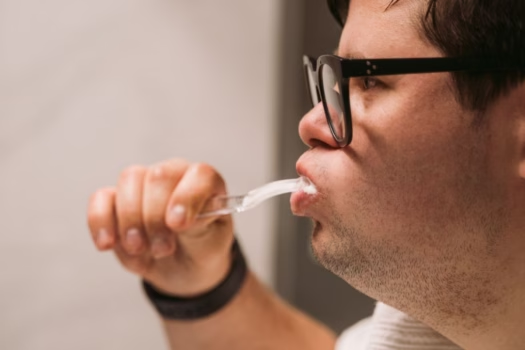
If you live with a disability, oral health can shape much more than your next dental appointment. It can affect how you eat, speak, sleep, manage medications, and handle daily routines. In New York, where long commutes, packed schedules, and uneven access to care can complicate healthcare planning, dental issues often get pushed aside until they become urgent. A closer look at oral health shows how deeply it connects to independence, comfort, and long-term wellbeing.
Disability-related barriers often make routine dental care harder
Dental access isn’t only about having insurance. You may need a wheelchair-accessible office, transfer support, flexible scheduling, quiet waiting areas, or staff who understand communication differences. Many clinics still fall short on one or more of those basics. Even booking the appointment can become a barrier if forms aren’t accessible or phone-only scheduling is the norm.
Transportation adds another layer. A short trip for someone else can turn into a half-day planning exercise if you rely on paratransit, a caregiver, or symptom pacing. Financial pressure can also interfere. Dental coverage under public programs varies, and specialized care may involve out-of-pocket costs. For people in Queens looking into providers such as Bayside Dental Arts, practical factors like accessibility, treatment range, and communication style may matter just as much as location.
Oral health reaches into parts of life you might not expect
It’s easy to treat dental care as separate from the rest of your health. In real life, your mouth is tied to nutrition, communication, pain regulation, and social confidence. If chewing hurts, you may start avoiding protein-rich foods, fresh fruit, or anything with texture. If dry mouth from medication gets severe, cavities can develop fast, even when your brushing habits seem decent.
Speech can shift too. Missing teeth, gum inflammation, and jaw pain can affect how clearly you pronounce words. That matters during school, work, telehealth visits, and benefits interviews. Small oral problems can also create sensory overload, especially if you already deal with chronic pain, autism-related sensitivities, or neurological conditions. What looks minor on paper can disrupt your entire day.
Medications and chronic conditions can change your dental risk profile
A lot of disability-related health management happens through medication, and many drugs have oral side effects. Antidepressants, stimulants, antihistamines, muscle relaxants, seizure medications, and some blood pressure drugs can reduce saliva flow. Saliva protects your enamel and helps control oral bacteria. Once it drops, your risk for decay, fungal infections, bad breath, and gum irritation rises.
Some conditions also affect motor control or stamina, which can make brushing and flossing inconsistent. Arthritis can limit grip strength. Tremors can turn a two-minute routine into something frustrating and physically tiring. GERD can expose teeth to stomach acid. Diabetes can complicate gum healing. If you use a CPAP, mouthguard, feeding tube, or frequent lozenges, those details count too. Dental risk isn’t generic; it’s shaped by your full health picture and daily management demands.
Pain, fatigue, and sensory issues can turn small problems into major setbacks
A mild toothache can be annoying for one person and destabilizing for another. If you already live with fatigue, migraine, fibromyalgia, Ehlers-Danlos syndrome, or a neuromuscular condition, added pain can drain the little energy margin you have. Sleep may get worse. Eating may get slower. Concentration may drop. That chain reaction can affect schoolwork, employment, and self-care.
Sensory factors matter just as much. The taste of toothpaste, the vibration of an electric brush, the scrape of a dental cleaning, or the pressure of X-ray tabs can feel intense or even intolerable. People often get labeled noncompliant when the real issue is unmanaged sensory stress. Better planning helps: desensitization visits, shorter appointments, noise-reducing headphones, or different product textures can reduce overload. Dental care works better when it accounts for the nervous system, not only the teeth.
Home strategies need to match your actual capacity, not an ideal routine
A perfect oral hygiene routine means very little if it’s impossible to sustain. The better goal is a setup you can repeat on low-energy days. If grip is an issue, try a built-up toothbrush handle, a strap, or an electric brush with a wider base. If standing at the sink is exhausting, brush while seated. If mint triggers nausea or sensory aversion, use a milder flavor.
Timing matters too. Some people do better brushing earlier in the evening before fatigue spikes. If floss is hard to manage, interdental brushes or floss holders may be easier. Water flossers can help, though they don’t always replace mechanical plaque removal completely. Keep supplies visible and within reach. Small environmental changes reduce executive function load. The best routine is the one you can keep doing during flares, not only on your strongest days.
Caregivers and clinicians need better communication around oral health
If you rely on a caregiver, dental care can become awkward fast. Adults may want help with setup but not with hands-on brushing. Teens transitioning to more independence may need privacy while still needing reminders. Clear boundaries matter. So does precise language. “Brush better” is vague; “Angle the bristles at the gumline for ten seconds on each section” is usable.
Clinicians also need fuller information from you. Mention jaw clicking, swallowing difficulty, medication changes, trauma history, sensory triggers, and positioning needs before the appointment if possible. That gives the dental team a chance to adapt. If you need plain-language explanations, extra time, or step-by-step consent during treatment, ask for it directly. Good care often depends less on toughness and more on whether everyone understands the practical realities in the room.
Long-term dental planning can protect your independence
Preventive dental care often gets framed as avoiding cavities. For many disabled people, the real issue is protecting function. Untreated oral disease can lead to infections, emergency procedures, nutrition problems, and expensive restorative work that is harder to schedule and tolerate. Prevention supports autonomy. It keeps daily tasks from becoming more medically complicated than they already are.
Think in systems. Schedule visits around medication timing and energy patterns. Track side effects that affect your mouth. Replace brushes and adaptive tools before they fail. If you’re helping a family member with disability-related care, include oral health in care plans instead of treating it as optional maintenance. Your mouth affects pain levels, confidence, eating, and communication every single day. Once you start viewing oral health as part of functional independence, dental care stops looking cosmetic and starts looking essential.

Follow me down the rabbit hole!
I'm Alice and I live with a dizzying assortment of invisible disabilities, including ADHD and fibromyalgia. I write to raise awareness and end the stigma surrounding mental and chronic illnesses of all kinds.