
 Alice Turing
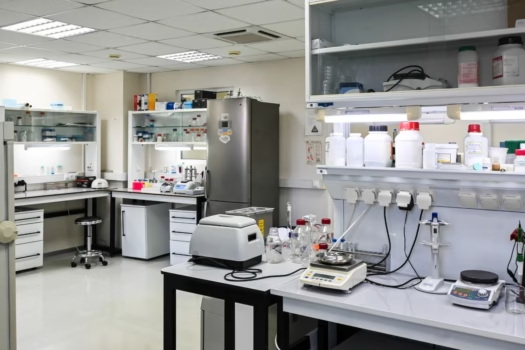
In the fast-paced world of analytical chemistry, clinical diagnostics, and life sciences, a laboratory’s productivity is inextricably linked to the reliability and precision of its instrumentation. When complex systems like high-performance liquid chromatography (HPLC) or gas chromatography (GC) units fail unexpectedly, the resulting downtime halts critical research, delays the time-to-market for vital pharmaceuticals, and inflates daily operational costs. To mitigate these severe risks, modern lab managers must transition their focus from reactive troubleshooting to proactive lifecycle management. This means conducting regular system diagnostics, adhering to strict calibration protocols, and ensuring that high-wear components are replaced well before they compromise data integrity or cause cascading hardware failures. Sourcing the right components is a vital part of this equation; for instance, consulting specialized resources like Mr. Scientific’s Agilent parts catalog provides laboratory technicians with the exact OEM-quality components necessary to keep sensitive analytical workflows running smoothly. Ultimately, an optimized laboratory environment relies on anticipating hardware needs before they escalate into systemic bottlenecks, ensuring that every run yields accurate, reproducible, and compliant data.
The Hidden Costs of Instrument Downtime in Research and Quality Control
When discussing laboratory efficiency, the conversation frequently gravitates toward the speed of the instruments and the throughput of the assays. However, the most significant drain on laboratory resources is often invisible until a machine unexpectedly goes offline. The true cost of instrument downtime extends far beyond the immediate price of replacement parts and emergency service technician visits.
First and foremost is the cost of lost productivity. In a high-throughput quality control (QC) environment, a single downed mass spectrometer can create a backlog of hundreds of samples within a matter of hours. This backlog forces highly paid analysts and researchers to remain idle or shifts the burden to other, potentially less optimized, instruments. Furthermore, in industries strictly regulated by the FDA, EPA, or ISO standards, an unexpected equipment failure mid-run can compromise an entire batch of samples. The reagents, the proprietary chemical standards, and the meticulous sample preparation time are all irretrievably lost.
Additionally, operating instruments that are teetering on the edge of failure often leads to subtle degradation in data quality. Baseline noise increases, retention times drift, and resolution decreases. This can result in out-of-specification (OOS) investigations, which require massive amounts of administrative and analytical labor to resolve, further bleeding the laboratory’s budget and damaging its reputation for reliability.
Core Pillars of a Preventative Maintenance Strategy
To avoid the pitfalls of reactive maintenance, laboratories must establish an ironclad preventative maintenance (PM) strategy. A robust PM program is designed to identify and resolve mechanical wear and tear before it manifests as analytical error.
Calibration and System Suitability Testing (SST)
Routine calibration is the bedrock of analytical confidence. Instruments must be calibrated against known, traceable standards at regular intervals dictated both by manufacturer guidelines and the specific operational load of the laboratory. Coupled with calibration is the daily execution of System Suitability Testing (SST). Before any critical patient or product samples are run, the system must prove it is capable of achieving the required resolution, tailing factor, and theoretical plate counts. If an instrument fails its SST, it is an immediate early warning sign that components such as seals, lamps, or columns are reaching the end of their usable life.
Strategic Replacement of Consumables and High-Wear Parts
Not all instrument parts are created equal. Some components are designed to last the lifetime of the machine, while others are essentially consumables that require strict rotational schedules. Pump seals, rotor seals in injection valves, detector lamps (like Deuterium or Tungsten lamps), and electronic multipliers are all subject to inevitable degradation. Waiting for a deuterium lamp to burn out completely before replacing it means you have likely spent weeks collecting data with a suboptimal signal-to-noise ratio. A world-class PM strategy tracks the usage of these components – often measured in lamp-hours or pump strokes – and dictates replacement while the part is still functioning within acceptable, but declining, parameters.
Optimizing Chromatography Systems: Best Practices for HPLC and GC
Because chromatography systems form the analytical backbone of most modern testing facilities, establishing specific protocols for their upkeep is absolutely essential. Liquid and gas chromatography present unique physical challenges due to the extreme pressures, harsh solvents, and high temperatures involved in the separation processes.
To maximize the uptime of your chromatography fleet, laboratory technicians should adhere to the following targeted maintenance checklist:
- Routine Solvent Line Purging and Filtration: Always filter mobile phases through a 0.2µm or 0.45µm membrane filter to prevent microscopic particulate matter from scoring HPLC pump seals or clogging the fragile frits of analytical columns.
- Preventing Buffer Precipitation: When switching from highly aqueous buffer solutions to organic solvents, scientists must include an intermediate wash step (usually with a high percentage of water) to prevent salts from precipitating inside the capillary tubing, which can cause catastrophic system overpressure.
- Inlet and Liner Maintenance in GC: Gas chromatography systems require frequent replacement of the injection port liners, septa, and O-rings. A degraded septum can lead to carrier gas leaks and pressure drops, while a dirty liner will cause peak tailing and adsorption of active analytes.
- Column Storage and Care: Never leave analytical columns attached to a system with harsh buffers inside them. Flush columns with the manufacturer-recommended storage solvent and cap them tightly to prevent the stationary phase from drying out, which permanently ruins the separation bed.
- Detector Maintenance: Regularly clean the ion source in mass spectrometers and monitor the baseline energy of optical detectors. Small accumulations of matrix residue can drastically reduce instrument sensitivity over time.
The Human Element: Operator Training and Standard Operating Procedures (SOPs)
Even the most sophisticated, self-diagnostic analytical equipment is ultimately at the mercy of the scientists and technicians who operate it. A significant percentage of laboratory equipment failures can be traced back to human error—improper sample preparation, incorrect solvent selection, or the forceful mishandling of delicate mechanical parts.
Implementing Living Standard Operating Procedures
To counteract user error, laboratory management must invest heavily in standardized training and the development of comprehensive Standard Operating Procedures (SOPs). However, SOPs cannot simply be static documents locked away in a binder; they must be “living” protocols that evolve alongside new technologies and best practices.
Effective SOPs should detail the exact sequence for starting up an instrument, the approved methods for troubleshooting common errors, and the strict protocols for shutting the system down safely. When new staff are onboarded, their training should involve hands-on shadowing with senior analysts, ensuring that the theoretical knowledge from the SOP translates into proper mechanical handling of the instrumentation. A well-trained operator is the first and most effective line of defense against catastrophic equipment failure.
The Shift Toward Predictive Maintenance and Smart Laboratories
While preventative maintenance relies on a calendar or basic usage metrics, the future of laboratory management lies in predictive maintenance. Driven by the integration of the Internet of Things (IoT) and advanced data analytics, modern analytical instruments are becoming increasingly self-aware.
Smart laboratories utilize sensors embedded directly into the instrumentation to monitor real-time telemetry such as internal pump pressure fluctuations, subtle temperature variations in column ovens, and the electrical draw of vacuum pumps. By feeding this telemetry into centralized laboratory execution systems (LES), software algorithms can detect the microscopic anomalies that precede a hardware failure. For example, if an algorithm detects that an HPLC pump is requiring slightly more electrical current to maintain the same flow rate, it can alert the lab manager that the pump seals are beginning to experience increased friction and will likely fail within the next two weeks.
This technological leap allows laboratories to order replacement parts and schedule maintenance exactly when it is needed, perfectly balancing the desire to extract the maximum lifespan from a consumable part with the absolute necessity of avoiding an unexpected system crash.
By prioritizing the health of your analytical instruments and embracing the transition from reactive repair to predictive optimization, laboratory directors can virtually eliminate catastrophic downtime. This holistic approach ensures that scientists remain focused on what truly matters: driving innovation, executing flawless analytical testing, and pushing the boundaries of modern research.

Follow me down the rabbit hole!
I'm Alice and I live with a dizzying assortment of invisible disabilities, including ADHD and fibromyalgia. I write to raise awareness and end the stigma surrounding mental and chronic illnesses of all kinds.