
 Alice Turing
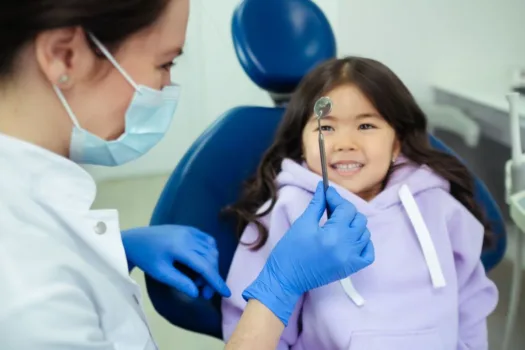
Parents in Lake Stevens, WA, and everywhere else discover the same thing eventually: the habits children form around their teeth in the first several years tend to stick for life. That works in both directions, which is exactly why the early stretch matters so much.
The encouraging part is that most of what determines a child’s long-term oral health happens at home, in small daily routines that cost nothing and take a few minutes.
Starting Professional Care Early
Home routines catch a great deal, but they cannot spot decay forming between teeth or catch a developing bite problem before it becomes harder to correct. Children need clinical care from someone trained specifically in treating them, since a child’s mouth, anxieties, and developmental stages differ completely from an adult’s.
Parents should book with a pediatric dentist in Lake Stevens, WA for routine exams, cleanings, and preventive treatment starting around the first birthday. Fluoride and sealants applied at the right ages prevent a substantial share of the cavities that would otherwise develop.
Before the First Tooth Arrives
Care begins earlier than most parents expect. Wiping an infant’s gums with a clean, damp cloth after feedings removes residue and gets the child accustomed to having their mouth handled, which pays off enormously when brushing starts.
Avoid putting a baby to bed with a bottle containing anything other than water. Milk and juice pooling around emerging teeth overnight causes a specific and severe pattern of early decay that is entirely preventable.
Brushing That Actually Works
Once teeth appear, brush twice daily with a soft brush sized for a child’s mouth. Until age three, a smear of fluoride toothpaste about the size of a grain of rice is enough, and after that a pea-sized amount works.
Children lack the fine motor control to brush effectively until around age seven or eight, sometimes later. Until then, an adult needs to brush or, at minimum, go over the child’s work. A useful arrangement is letting the child brush first for independence, then a parent finishing properly.
Two minutes is the target, and it feels much longer than it is. Songs, timers, and apps all help. So does brushing alongside your child, since modeling beats instruction at nearly every age.
Flossing and the Spaces Between
Once any two teeth touch, brushing cannot reach between them, and that contact point is exactly where decay most often begins. Start flossing at that stage, typically between ages two and six depending on spacing.
Floss picks are considerably easier for small mouths and for parents working at an awkward angle. What matters is that it happens consistently, not what tool accomplishes it.
Food, Drinks, and Frequency
The relationship between diet and decay is less about total sugar than about how often teeth are exposed to it. A sweet eaten in one sitting is far less damaging than the same amount sipped or nibbled over three hours.
Sticky items that cling to tooth surfaces are worse than they appear, and dried fruit is a common blind spot for parents. Acidic drinks including juice, soda, and sports drinks soften enamel directly, and constant sipping keeps teeth under attack all day.
Water is the best default between meals. If your area’s supply is fluoridated, it works twice. Serve juice with meals rather than throughout the day, in a cup rather than a bottle or pouch, and treat sweets as something that happens at a specific time rather than continuously.
Managing Fear and Anxiety
Anxiety around dental care is common, learned, and largely preventable. Children absorb apprehension from the adults around them with impressive efficiency.
Watch your language. Words like “hurt,” “shot,” and “drill” plant ideas the child had not considered. Even reassurance framed negatively, such as promising something will not hurt, introduces the possibility. Describe visits in neutral, matter-of-fact terms.
Never use dental care as a threat or punishment for not brushing. That framing turns a routine part of health into something adversarial, and undoing it takes years.
Reading picture books about visits, playing at counting teeth at home, and letting a child watch a calm older sibling all help normalize the experience before it happens.
What Changes at Each Stage
Needs shift as children grow. Infants and toddlers need adult-driven cleaning and vigilance about bottles and pacifiers. Preschoolers can begin participating meaningfully while still requiring supervision, and this is when many habits solidify.
School-age children are losing baby teeth and gaining permanent molars, which is when protective treatments matter most and when independence gradually increases under continued oversight.
Adolescents handle their own care, and that is precisely when many stop doing it well. Sports guards become relevant, orthodontic work often begins, and diet moves largely outside parental control. Staying involved without micromanaging is the balancing act of these years.
Handling Problems and Injuries
Some things need attention promptly. Persistent tooth pain, sensitivity to hot or cold, swelling in the face or gums, visible dark spots on teeth, and any trauma from a fall or impact all warrant a call rather than a wait-and-see approach.
If you’ve lost a permanent tooth, handle it by the crown rather than the root, rinse it gently without scrubbing, and get to care immediately. Time matters enormously for reimplantation. A knocked-out baby tooth should not be reinserted, but still needs evaluation.
The Long View
Everything here compounds. A child who grows up brushing without argument, drinking water by default, and viewing checkups as routine carries those patterns into adulthood without effort.
The goal is not perfection. Sweets happen, brushing gets skipped, and no household maintains an ideal record. What matters is the overall pattern, and patterns are built through steady repetition rather than occasional intensity.

Follow me down the rabbit hole!
I'm Alice and I live with a dizzying assortment of invisible disabilities, including ADHD and fibromyalgia. I write to raise awareness and end the stigma surrounding mental and chronic illnesses of all kinds.