 Alice Turing
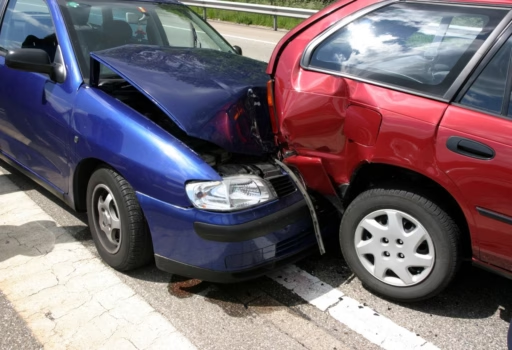
A crash involving several vehicles rarely produces one clean story. On I-95 near West Palm Beach, a hard stop can set off impacts in different lanes within seconds. Each driver sees only part of the sequence, and the final resting positions can make the first collision difficult to identify.
A personal injury attorney reviewing the wreck will need more than a list of damaged cars. The order of impact, each driver’s movement, road conditions, and available insurance all affect a claim. Those questions also connect car accident work with catastrophic injury and wrongful death practice when the harm is severe.
One Collision Can Contain Several Events
Police reports sometimes describe a multi-car crash as one occurrence. For claim purposes, it can be a chain of separate contacts. A rear impact could push one vehicle into another lane. A second driver might then strike the disabled car because traffic blocked the view.
That sequence affects fault. The driver who caused the first contact is not automatically responsible for every injury that followed. Investigators ask whether another driver had time to slow, whether a lane change created a new danger, and whether the later impact was a predictable part of the same event.
Vehicle damage can help test the order. Paint transfer, crush direction, and marks left by a rotating car can support or contradict a driver’s account. An inspection is most useful before repairs remove those details.
Busy Corridors Create Evidence Problems
South Florida traffic moves through short merges, toll lanes, and crowded exits. On the Palmetto Expressway in Miami-Dade County, vehicles can scatter across several lanes before officers arrive. On Broward Boulevard, nearby businesses might capture only one angle.
Skid marks fade, debris gets cleared, and damaged vehicles are moved to reopen the road. Early photographs can preserve lane markings, traffic controls, sight distance, and debris locations. Video requests also need to go out quickly because many systems record over older footage.
Independent Records Can Rebuild the Sequence
Witness accounts are useful, though memory after a violent event is imperfect. The strongest review compares those accounts with physical records. Vehicle event data, dashcam files, 911 calls, and traffic-camera footage can reveal timing that no single witness caught.
The National Highway Traffic Safety Administration has reported that, in one analysis of fatal-crash occupants, 12 percent were in crashes involving at least three vehicles. That figure gives context to the problem. It also shows why investigators need a method that can separate one impact from the next.
Injuries Do Not Always Point to One Car
A person can be hurt twice in the same chain reaction. The first contact might strain the neck. A harder side impact seconds later could cause a brain injury or fracture. Medical records should describe when symptoms appeared and which body areas were affected.
This becomes especially important when insurers argue that another collision caused the serious harm. Treating clinicians and reconstruction experts can compare injury patterns with the forces involved. Their opinions should rest on records and testing, not assumptions drawn from the worst-looking vehicle.
Shared Fault Changes the Insurance Discussion
Several insurers can take conflicting positions. One carrier might blame the lead vehicle for stopping. Another might say its driver was pushed forward and had no control. A commercial vehicle or rideshare car adds policy questions that do not appear in a routine two-car claim.
Florida’s comparative-fault rules can divide responsibility among several people. That allocation affects how much an injured person can recover. It also makes policy limits, exclusions, and coverage dates worth checking before settlement talks begin.
Local Detail Gives the Claim Its Shape
A pileup near Palm Beach International Airport does not unfold like a low-speed crash on a neighborhood street in Boca Raton. Traffic volume, signal timing, construction, and sight lines differ. The road itself can explain why a driver had little warning or why a witness could not see the first impact.
A careful claim keeps those local facts connected to the evidence. It identifies each collision, links each injury to supported medical findings, and tests every account against records created at the time. That approach is slower than choosing one person to blame, but it produces a far more accurate picture of what happened.

Follow me down the rabbit hole!
I'm Alice and I live with a dizzying assortment of invisible disabilities, including ADHD and fibromyalgia. I write to raise awareness and end the stigma surrounding mental and chronic illnesses of all kinds.