 Alice Turing
When a loved one has a stroke, it affects the entire family. The time after they leave the hospital is often filled with questions and adjustments for everyone involved. Recognising the path ahead and preparing for the changes can make the transition to home life smoother and more manageable. Life after a stroke is different, but with patience and the right support, a new sense of normal is possible.
Every recovery is unique, shaped by where the stroke occurred in the brain and the extent of the damage. Some people may recover quickly, while others face long-term challenges with movement, communication, or memory. This uncertainty can be difficult, but focusing on progress, no matter how small, helps both the survivor and their family stay positive.
Preparing the Home for a Safe Return
Making the home safe is a primary concern when a stroke survivor returns from the hospital. Simple modifications can prevent falls and help your loved one maintain a degree of independence. An assessment of the home can identify potential hazards and areas for improvement. Changes often focus on improving accessibility and reducing the risk of accidents.
Consider these practical adjustments to create a safer environment:
- Install grab bars in the bathroom, particularly near the toilet and in the shower.
- Remove throw rugs and secure loose electrical cords to prevent trips and falls.
- Improve lighting in hallways, stairways, and main living areas.
- Rearrange furniture to create clear, wide pathways for walking, especially if a walker or wheelchair is needed.
- Set up a main-floor living space if possible, with easy access to a bathroom, to limit the need to use stairs.
These modifications can make a significant difference in daily life, promoting confidence and safety for the person recovering.
Navigating Communication and Emotional Changes
A stroke can impact communication in several ways, which can be frustrating for both the survivor and their family. Aphasia, a condition that affects the ability to speak, write, or understand language, is common. Another challenge is dysarthria, where weak muscles around the mouth cause slurred speech. Patience is essential. Giving your loved one extra time to process thoughts and respond can ease frustration.
Emotional and personality changes are also common after a stroke. It is not unusual for a survivor to experience feelings of depression, anxiety, or grief for the life they had before. Some may have sudden mood swings or express emotions that seem out of place. It is important to remember that these changes are often a direct result of the brain injury and not a reflection on their feelings for you. Providing reassurance and creating a calm, supportive atmosphere can help manage these emotional challenges.
A Practical Scenario: Adjusting to New Routines
Consider the case of a family whose father has returned home after a stroke. He has weakness on one side of his body and some difficulty with his memory. His daughter decides to take time off work to help, but soon finds that the cost of equipment and her loss of income are creating financial pressure. The daily routine is demanding, involving assistance with personal care, preparing meals, and managing medication.
The family realises they need more help to avoid burnout and ensure her father gets the best care. They explore options for professional support to assist with daily tasks for a few hours each day. This gives the daughter a much-needed break and allows her to return to work part-time, easing the financial strain. The arrangement provides stability and ensures her father receives consistent, skilled assistance while she manages her own wellbeing.
Supporting Long-Term Recovery
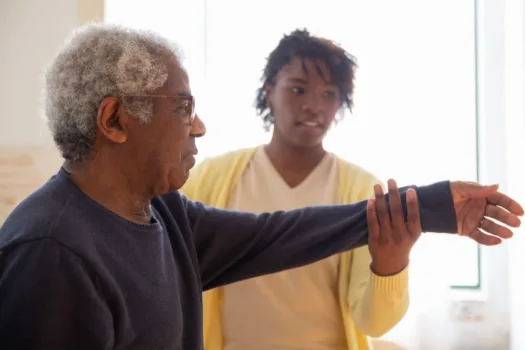
Recovery does not stop after leaving the hospital; it is an ongoing process of relearning skills and adapting to new ways of living. Repetition and practice are fundamental to this process, as the brain works to rewire itself. Family members can play an active part by encouraging the person to participate in exercises recommended by therapists and engaging them in daily activities.
It is also important for family members to look after their own health. Caring for a stroke survivor can be physically and emotionally demanding. Finding support groups or arranging for respite care can provide necessary breaks and prevent caregiver burnout. Establishing a strong support network is beneficial for everyone. As you settle into a new routine, you may find that specialised stroke and cardiac recovery support can help manage daily needs and promote continued independence. Helping your loved one connect with others who have had similar experiences can also reduce feelings of isolation and provide a sense of community.

Follow me down the rabbit hole!
I'm Alice and I live with a dizzying assortment of invisible disabilities, including ADHD and fibromyalgia. I write to raise awareness and end the stigma surrounding mental and chronic illnesses of all kinds.