 Alice Turing
A Gentle, Energetic Path to Healing Beyond Detox
Addiction recovery is a multi-layered journey. It's not just about physical detox—it's about healing the emotional wounds that fuel substance use, rebuilding trust in oneself, and learning to feel again. While clinical therapy, medication, and peer support form the foundation of recovery, holistic tools like Reiki can offer a quiet, non-verbal space for emotional release and energetic healing.
Reiki, a gentle energy healing practice, is increasingly being integrated into rehab programs to support emotional regulation, reduce anxiety, and help individuals access deeply buried emotions—often without needing to speak a word.
What Is Reiki?
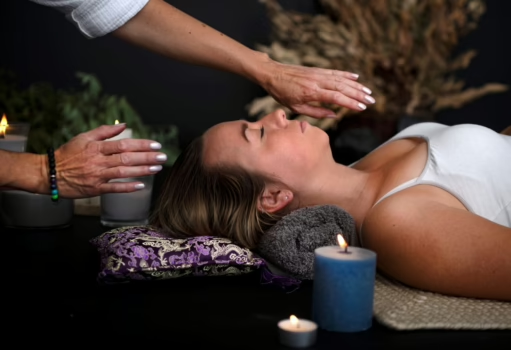
Reiki (pronounced ray-key) is a Japanese form of energy healing developed by Mikao Usui in the early 20th century. The word translates to “universal life energy.” This practice involves a Reiki practitioner placing their hands lightly on or just above a person’s body to channel healing energy where it's needed.
The intention is not to diagnose or treat physical illness, but to create a space of deep relaxation and energetic realignment. This allows the body and nervous system to downshift from stress, while supporting emotional release and inner clarity.
Why Emotional Release Matters in Recovery
Many individuals entering rehab carry years of unprocessed emotional pain—from trauma, grief, abandonment, or chronic stress. Substances often become a way to numb or escape overwhelming emotions.
But emotions don't disappear when numbed—they get stored in the body, manifesting as:
- Muscle tension and physical pain
- Insomnia or fatigue
- Emotional disconnection or numbness
- Panic, shame, or unresolved grief
In recovery, these suppressed emotions often begin to surface. If they’re not supported, they can feel destabilizing—and sometimes lead to relapse.
That’s where Reiki can help: by offering a gentle, non-verbal channel for release, especially for those who feel emotionally blocked or find it hard to open up in talk therapy.
How Reiki Supports Emotional Healing in Rehab
1. Creates a Calm, Safe Space for Processing
Rehab can be intense. Between detox, group sessions, and personal reflection, emotions often feel raw and unpredictable. Reiki offers a quiet space to simply be—no need to speak, perform, or explain.
📊 A study in the Journal of Evidence-Based Complementary & Alternative Medicine found that Reiki significantly reduced stress and anxiety, helping participants feel more grounded and emotionally stable [1].
2. Facilitates the Release of Stored Emotional Energy
According to Reiki principles, emotional pain can block the flow of life energy through the body. This can lead to physical discomfort, emotional flatness, or fatigue.
During a session, clients often report:
- Sensations of energy moving through the body
- A sudden emotional shift (e.g., tears, sighs, deep relief)
- Tingling, warmth, or lightness in specific areas
- Profound relaxation or even spontaneous sleep
These signs suggest that emotional tension is being gently released, often without conscious effort.
3. Regulates the Nervous System
Addiction dysregulates the nervous system, often locking people into chronic fight, flight, or freeze states. Reiki helps activate the parasympathetic nervous system—the body’s rest-and-repair mode—so the mind and body can begin to feel safe.
📊 Harvard research shows that mind-body practices like Reiki can reduce blood pressure, heart rate, and cortisol (a key stress hormone), supporting the body’s ability to self-regulate [2].
When the body feels safe, suppressed emotions can emerge—and be processed without overwhelm.
4. Encourages Self-Compassion and Emotional Trust
For many in recovery, shame, guilt, and self-blame can become emotional barriers. Reiki offers a space of unconditional support—one where people are simply held, not judged.
This can be profoundly healing for individuals who have spent years in survival mode, disconnected from their bodies or emotional truth.
Over time, clients may begin to:
- Feel more connected to themselves
- Experience emotional release without fear
- Let go of shame and begin rebuilding self-trust
What Happens During a Reiki Session?
- Sessions typically last 30 to 60 minutes.
- The client stays fully clothed and rests comfortably—lying down or seated.
- The practitioner may place their hands gently on or slightly above the body, focusing on key energy centers (chakras).
- The atmosphere is calm, with soft lighting, gentle music, and intentional stillness.
No verbal processing is required. The energy does the work.
Many rehab centers now include Reiki as part of their integrative wellness offerings—especially trauma-informed programs that prioritize emotional safety and nervous system support.
Is Reiki Right for Everyone?
Reiki is safe and suitable for most individuals, including those with trauma or chronic illness. It is not a replacement for therapy or medical treatment, but a complementary tool that supports emotional and energetic healing.
It may be especially valuable for people who:
- Struggle with verbal processing
- Feel disconnected from their bodies
- Are navigating grief, shame, or past trauma
- Experience anxiety, restlessness, or emotional overload
Final Thoughts: Healing Beyond Words
Recovery is more than breaking a habit—it’s the courageous work of returning to oneself. And that journey often requires tools that go beyond words.
Reiki offers stillness.
It offers space.
And it offers a gentle invitation to feel, release, and reconnect—at your own pace.
For those navigating the depths of emotional recovery, Reiki reminds us: healing doesn’t always need to be loud. Sometimes, it begins with simply being held in quiet presence—and letting go.
References
- Diaz-Rodriguez, L., et al. (2011). “The effects of Reiki on pain and anxiety in patients.” Journal of Evidence-Based Complementary & Alternative Medicine, 16(2), 125–130. https://doi.org/10.1177/1533210110392940
- Benson, H., et al. (2000). “Relaxation response and wellness: Recent research and clinical application.” Alternative Therapies in Health and Medicine, 6(6), 42–47. https://www.ncbi.nlm.nih.gov/pubmed/11191073

Follow me down the rabbit hole!
I'm Alice and I live with a dizzying assortment of invisible disabilities, including ADHD and fibromyalgia. I write to raise awareness and end the stigma surrounding mental and chronic illnesses of all kinds.