
 Alice Turing
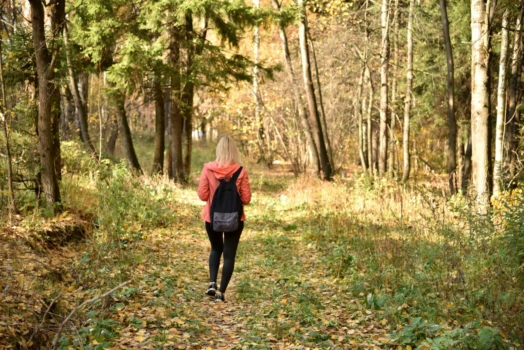
Many people who live with chronic illness experience emotional fatigue and mental strain along with physical symptoms. Daily routines, medical appointments, and health challenges often leave little energy for rest or relief. In urban areas like Glendale, where life often moves between busy streets, medical centers, and apartment living, it can be easy to forget how grounding nearby parks, trails, and green spaces can be. Spending time in nature can provide calm, balance, and a practical way to support mental well-being during these times.
Nature offers quiet spaces, fresh air, and simple moments that ease stress and support clarity of mind. Whether through walking in a park, sitting by a tree, or taking in morning sunlight, small connections with the natural world can make a meaningful difference. This article explores how time outdoors supports mental health, from lowering stress hormones to improving mood, focus, and connection with others.
Nature reduces stress by lowering cortisol levels and promoting relaxation
Research shows that short periods outdoors can help lower cortisol, the body’s main stress hormone. Spending as little as twenty minutes in green spaces reduces tension and supports steadier heart rates. People living with chronic illness often face ongoing stress, so these brief moments in nature can provide measurable relief. Those seeking the best psychiatrists in Glendale may also benefit from combining psychiatric care with time outside for added support.
Natural settings help the mind slow down and shift focus away from symptoms or fatigue. The simple act of walking in a park or sitting near trees can calm the nervous system and ease feelings of anxiety. Lower cortisol levels improve the body’s ability to rest and recover, which supports mental balance.
Clinicians who emphasize holistic care often suggest outdoor breaks alongside therapy or medication. These small, consistent steps can create a routine that encourages calm and relaxation throughout the week.
Exposure to green spaces improves mood and decreases symptoms of anxiety and depression
Regular exposure to green spaces can help lift mood and reduce signs of anxiety and depression. Research shows that being in natural environments can lower stress hormones and quiet negative thought patterns. People often feel calmer and think more clearly after visiting a park or garden.
Simple experiences such as sitting near trees or walking on a trail may help reset emotional balance. These small breaks in nature encourage relaxation and may support positive emotions. Even short periods outdoors can provide noticeable relief from daily stress.
For those living with chronic illness, natural settings can offer peace and distraction from physical discomfort. Studies suggest that contact with green areas encourages mindfulness and helps people manage emotional struggles more effectively. As a result, connecting with nature can support both mental and physical well-being over time.
Time outdoors improves cognitive function and memory, supporting mental clarity
Regular exposure to natural settings can help the brain feel more alert and focused. Studies show that outdoor experiences promote better attention and mental energy. This effect may come from the reduced noise and distraction found in natural spaces compared to busy indoor environments.
Fresh air, light physical movement, and the sights and sounds of nature can reset thought patterns. People often report that their memory feels sharper after even short periods outside. Mild activity, like walking or sitting calmly in a park, may also increase blood flow that supports cognitive processes.
Natural light helps regulate mood and alertness. It can also strengthen the rhythm that controls sleep, which directly affects mental performance. As a result, individuals managing chronic illness may find that time outdoors gives their minds a clearer, calmer focus that helps them handle daily tasks with greater ease.
Nature-based activities encourage social interaction, reducing feelings of isolation
Nature-based activities help people connect with others in low-pressure settings. A simple walk, group gardening, or a local hiking meetup gives individuals shared goals and conversation. These interactions build trust and companionship, which can ease loneliness that often comes with chronic illness.
Outdoor programs also create a sense of belonging. People work side by side, notice small improvements in nature, and celebrate progress together. This shared experience can make social contact feel more comfortable and natural.
Active time outdoors supports both social and emotional well-being. Fresh air, light physical movement, and group encouragement help reduce stress and lift mood. For those who struggle to meet others in traditional settings, nature offers a calm, welcoming space to connect.
Even brief interactions outdoors can make a difference. Over time, these moments can grow into stronger relationships, helping individuals feel supported and less alone in managing their health.
Even short periods, as little as 10 minutes, in natural settings, provide mental health benefits
Research shows that even short visits to natural spaces can improve emotional well-being. A brief 10-minute walk or rest in a park can lower stress levels and quiet anxious thoughts. These small moments provide a mental pause that helps people manage daily challenges with greater calm.
Scientists have found that regular but short contact with nature can lift mood and support focus. For people living with chronic illness, a few minutes outside can ease feelings of isolation and mental fatigue. Simple exposure to trees, fresh air, and natural sounds can reduce tension and bring a sense of clarity.
Many studies report measurable benefits after only a few minutes spent outdoors. Therefore, those who cannot spend long hours outside can still gain from short periods in natural settings. Even limited sunlight and greenery can help the mind rest, making nature an accessible tool for ongoing mental health care.
Conclusion
Nature supports mental health by offering calm spaces that help people with chronic illness feel more relaxed and balanced. Time outdoors lowers stress and gives the mind a break from constant medical routines or symptoms. Even short moments in a park or near greenery can shift attention away from discomfort.
Fresh air, sunlight, and gentle activity can help improve sleep, mood, and daily motivation. These simple experiences create structure and stability, which often strengthen emotional coping for those managing long-term conditions.
Regular outdoor contact encourages gradual progress toward better well-being. It reminds individuals that health improvement includes both the body and the mind. By adding nature into everyday habits, people with chronic illness can find steady support for mental clarity and calm.

Follow me down the rabbit hole!
I'm Alice and I live with a dizzying assortment of invisible disabilities, including ADHD and fibromyalgia. I write to raise awareness and end the stigma surrounding mental and chronic illnesses of all kinds.