 Alice Turing

Medical treatment records can strengthen a St. Louis car accident claim by documenting the injuries, connecting those injuries to the crash, showing the treatment required, and providing evidence of the financial and personal impact of the accident. These records can be especially important when an insurance company questions how serious an injury is or argues that it was caused by something other than the collision.
St. Louis is a busy Missouri city where people regularly travel by car, public transportation, bicycle, and on foot. A traffic collision can happen in seconds, but the resulting injuries may require weeks, months, or even years of medical care. For an injured person working with a St. Louis accident attorney, organized medical records can provide valuable evidence when building a claim.
Medical Records Document Your Injuries
One of the biggest benefits of medical records is that they create a professional record of what happened to your body after the crash.
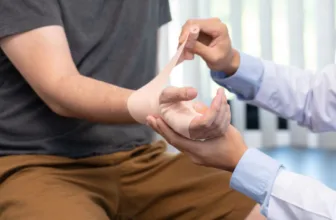
Records may document broken bones, soft-tissue injuries, head trauma, nerve damage, back injuries, or other conditions. They can also show when symptoms began and how they changed over time.
This information can help demonstrate that the injuries were real and required medical attention.
Treatment Records Can Connect Injuries to the Crash
An insurance company may argue that an injury existed before the accident.
Prompt medical treatment can help establish a timeline. When a patient reports symptoms after a collision and a healthcare provider documents those complaints and findings, the records may help connect the condition to the accident.
The sooner an injured person receives appropriate medical attention, the easier it may be to establish a clear medical history.
Diagnostic Tests Provide Objective Evidence
Medical records can include results from X-rays, CT scans, MRIs, blood tests, and other diagnostic procedures.
These tests may reveal injuries that are not immediately visible. For example, an MRI may identify a spinal injury that was not obvious during an initial examination.
Objective findings can be useful when an insurer questions the severity of an injury.
Records Show the Treatment You Needed
Medical documentation does more than identify an injury. It can also show what was required to treat it.
Records may include information about:
- Emergency room visits
- Doctor appointments
- Surgery
- Physical therapy
- Prescription medications
- Specialist consultations
- Rehabilitation
- Follow-up examinations
A consistent treatment history can help demonstrate the extent of the injury and the steps taken to recover.
Medical Bills Establish Financial Losses
Medical bills can help calculate the economic losses associated with an accident.
Keep invoices and statements from hospitals, physicians, therapists, pharmacies, and other healthcare providers. Even when health insurance pays some of the expenses, documentation can still help establish the cost of medical care related to the accident.
Missouri law generally allows many personal injury actions to be brought within five years under RSMo § 516.120, although different rules and exceptions may apply depending on the circumstances.
Future Medical Needs Can Also Matter
Some accident injuries do not end when the initial treatment is complete.
A doctor may determine that an injured person will need future surgery, rehabilitation, medication, or ongoing specialist care. Medical records and professional opinions can help establish these future needs.
This can be particularly important for people who suffer permanent or long-term injuries.
Records Can Show How the Injury Affected Your Life
Medical records may also provide evidence about limitations caused by an injury.
A healthcare provider might document restrictions on lifting, walking, working, driving, or performing other activities. These details can help explain how the accident affected everyday life.
When combined with employment and other records, medical documentation can provide a clearer picture of the overall impact of the crash.
Consistent Treatment Can Strengthen the Timeline
Following reasonable medical recommendations can help create a consistent record of the injury and recovery process.
If you miss appointments or stop treatment, there may be legitimate reasons. However, unexplained gaps can sometimes give an insurer an opportunity to argue that the injury was not as serious as claimed.
If you have concerns about treatment, discuss them with your healthcare provider rather than simply abandoning care.
Keep All Medical Documentation
Do not rely only on your healthcare provider or insurance company to maintain your records.
Keep copies of medical bills, test results, discharge instructions, prescriptions, treatment plans, and other relevant documents. A simple file or digital folder can make it easier to organize everything related to the accident.
Also consider keeping a personal record of symptoms, appointments, medications, and how your injuries affect daily activities.
Key Takeaways
- Medical records provide evidence of injuries after a car accident.
- Prompt treatment can help establish a timeline connecting injuries to the crash.
- Diagnostic tests may provide objective evidence of physical injuries.
- Treatment records can document the care and rehabilitation required.
- Medical bills help demonstrate accident-related financial losses.
- Doctor’s opinions may support claims for future medical expenses.
- Keep copies of all medical records, bills, prescriptions, and treatment recommendations.
- A complete medical history can help address disputes about pre-existing conditions.

Follow me down the rabbit hole!
I'm Alice and I live with a dizzying assortment of invisible disabilities, including ADHD and fibromyalgia. I write to raise awareness and end the stigma surrounding mental and chronic illnesses of all kinds.