
 Alice Turing
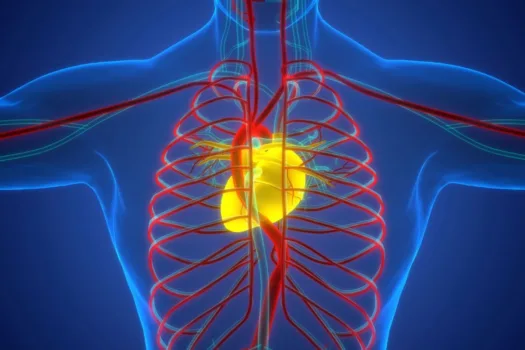
An aortic dissection occurs when a tear develops in the inner layer of the aorta, allowing blood to flow between the layers of the artery wall. The signs and symptoms can mimic common emergencies, making the diagnosis difficult. It may lead to acute chest or back pain, syncope, or neurological symptoms.
That overlap affords the opportunity for an error. When speaking with individuals investigating legal help for misdiagnosis of aortic dissections, it is important to learn why doctors might be inclined to believe that someone is experiencing a heart attack, pulmonary embolism, stroke, or some other ailment.
Let’s dive in!
Symptoms Can Mimic Other Emergencies
Often, aortic dissection doesn’t come as a textbook case of severe tearing chest pain. The pain is felt in the back, abdomen, neck, or jaw, and some patients experience weakness, confusion, fainting, and breathing difficulties.
According to S. Lovatt’s 2022 systematic review, approximately 1/3 of patients with aortic dissection were initially misdiagnosed. If a patient has chest pain, an electrocardiogram and blood tests are the first tests that might be performed due to the increased risk of having a heart attack.
If the results of these do not clearly point toward dissection, a familiar path of clinical diagnosis may be followed.
Classic Warning Signs May Be Missing
A lack of a pulse difference, a blood pressure difference between the arms, a neurological deficit, and a widened chest X-ray might make dissection less likely to be considered. However, the lack of this finding doesn’t exclude the condition.
Studies indicate that patients with no shock or organ blood-flow problems will be more likely to experience delayed diagnosis. A study of 2024 acute type A dissections showed that 45.3% of 556 patients were initially misdiagnosed.
Imaging Can Be Misread or Misleading
Imaging plays a critical role in establishing a diagnosis of aortic dissection but can cause problems. Motion and streak artifacts, postsurgical changes, and difficult anatomy can cause an image to appear abnormal and the subtlest of tears to be concealed. A large study of more than 3,700 patients who were referred to aortic referral centers revealed that transfer misdiagnosis was associated with misinterpretation of the images.
A chest X-ray may also be normal despite the presence of dissection. Because it can quickly provide a view of the aorta, CT angiography is widely employed but is dependent on presentation for interpretation.
Why Delayed Diagnosis Matters
If the dissection is not recognized, the tear may grow and lead to decreased blood supply to the organs, heart problems, or rupture. This risk is particularly high in the case of aortic dissection type A (in the ascending aorta) that may require emergency surgery.
When Could Misdiagnosis Raise Legal Questions?
A mistake in medical care doesn’t necessarily constitute medical malpractice. In the United States, a malpractice claim typically requires proof that the clinician failed to adhere to the standard of care and proof that the failure to adhere to the standard of care caused injury or a worsening of the outcome.
Specific regulations, submission time, and necessary documentation differ from state to state. Patients may also need to show that the harm was reasonably connected to the provider’s failure to meet the required standard of care.
Key Takeaways
- The symptoms of aortic dissection can mimic a heart attack, stroke, or pulmonary embolus.
- Signs and symptoms may be non-specific.
- Technical artifacts or misreading of the image.
- Imaging is extremely important if dissection is suspected, and it should be done early and appropriately.
- There may be a risk of serious complications if it is not diagnosed early.
- A medical error has to be assessed in light of the applicable standard of care.
- Assessment of a possible malpractice case is in line with state law.

Follow me down the rabbit hole!
I'm Alice and I live with a dizzying assortment of invisible disabilities, including ADHD and fibromyalgia. I write to raise awareness and end the stigma surrounding mental and chronic illnesses of all kinds.