 Alice Turing
A garden is one of the few home projects that gives something back. Watching a tomato plant finally set fruit, or a border of flowers hold its color through July, is its own kind of reward. For anyone living with a chronic illness, disability, or fluctuating energy levels, though, that reward often comes with a hidden cost. Kneeling to weed, hauling mulch, stringing up a barrier to keep deer away from a vegetable bed: these tasks add up fast, and a body that runs on a limited daily supply of energy doesn’t always bounce back the way it once did. The good news is that protecting a garden, and the home around it, doesn’t have to mean choosing between rest and results. With the right approach to project selection, pacing, and knowing when to call in help, it’s possible to keep a yard looking the way you want it without paying for it in flare-ups later.
What Yard Work Really Costs You
Anyone who has spent an afternoon kneeling in a garden bed knows that light yardwork is rarely light. Bending, gripping tools, standing for long stretches, and moving in awkward positions all draw from the same limited pool of energy that gets a person through the rest of the day. The spoon theory of chronic illness offers a useful way to think about this. The metaphor treats each day’s energy as a fixed number of spoons, with every task, from getting dressed to doing dishes, costing a spoon or two. Yard work is an expensive line item on that budget. A weekend spent digging post holes or wrestling with fencing material can eat through spoons meant for the rest of the week, and overspending often means paying it back later in pain, fatigue, or a full flare.
Recognizing that cost upfront changes how a project gets planned. Instead of asking whether a task can get done today, the more useful question becomes what it will cost tomorrow. That shift in framing is what separates a garden that brings joy from one that becomes a source of dread.
Choose Projects That Spend Spoons Once, Not Every Day
Not all yard work costs the same. Some tasks are recurring drains, like reapplying deer repellent every time it rains or patrolling the garden at dusk to scare off browsing animals. Others are one-time investments that, once installed, require almost no ongoing effort. This distinction matters enormously for anyone pacing their energy.
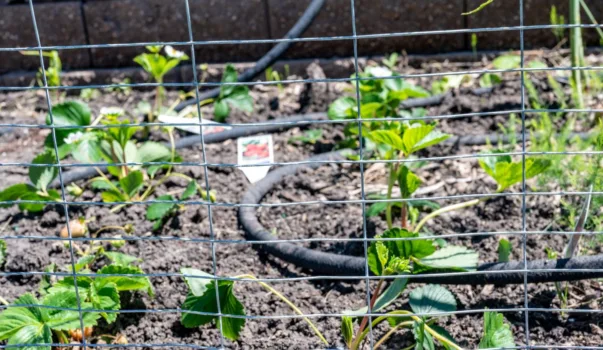
A physical barrier is usually the better spoon investment over a repellent-based approach. Kits with no-dig ground sleeves are designed so line posts can be driven into the soil without hours of digging, which makes a full project realistic even for someone who can only manage short bursts of physical activity spread across a day or two. Once the fence line is up, ongoing maintenance drops to almost nothing, in contrast to spraying repellent, replacing motion-activated deterrents, or replanting after deer get through. For someone managing a limited energy budget, trading a recurring task for a single install, even a physically demanding one broken into manageable chunks, is often the better trade.
This same logic extends to garden design more broadly. Raised beds reduce the need to kneel. Drip irrigation on a timer removes daily watering from the list. Mulching heavily enough turns weeding into an occasional chore instead of a weekly one. Every recurring task that gets converted into a one-time setup stops drawing from the daily spoon count.
Signs a Project Has Outgrown Your Energy Budget
Even a well-planned project can turn into more than a body can safely handle, and knowing the warning signs matters as much as the planning itself. Dizziness, shaking hands, joint instability, or a need to sit down every few minutes are all signals that a task has moved from manageable with breaks to beyond what’s safe for that day. Medication side effects, including drowsiness or lightheadedness, can also change what’s reasonable to attempt, particularly for anything involving height or balance.
Ladder work deserves special caution. Fatal falls involving a ladder account for a striking share of all fall deaths nationwide, and that risk climbs sharply for anyone dealing with balance issues, joint pain, or medication that affects coordination. A task that seems straightforward, like reaching a gutter or a high patch of siding, carries real risk once fatigue or dizziness enters the picture. If a project involves working above ground level, or requires sustained overhead reaching, that is usually the clearest sign it’s time to bring in outside help rather than push through.
Where Delegating Makes Sense
Delegating is a way of spending spoons where they matter most, not a sign of personal failure. Some home exterior tasks are simply better suited to a professional, not because a disabled or chronically ill homeowner cannot do them, but because the physical demands and safety risks outweigh the benefit of doing it solo. Anything involving sustained ladder time, pressure washing, or scrubbing large sections of exterior surface tends to fall into this category.
Cleaning siding without causing damage, for instance, actually requires more technique than most people expect. The wrong pressure setting or cleaning solution can strip paint, force water behind panels, or lead to costly repairs, and getting it wrong after already spending a limited energy budget on the attempt adds insult to injury. Hiring this kind of task out preserves the spoons that would otherwise go toward troubleshooting a mistake, on top of the physical toll of attempting it in the first place.
Everyday movement still has real value, even for people managing chronic illness. Incorporating fitness into everyday activities like light gardening, laundry, or tidying up can genuinely support strength and endurance over time without requiring a structured workout. The goal is to reserve physical activity for tasks that offer a real return, and to hand off the ones that mostly carry risk.
Building a Sustainable Outdoor Routine
Pacing a garden and yard care routine long-term means accepting that some days will allow more than others, and building in enough flexibility to work with that reality instead of against it. Breaking large projects into smaller sessions, spread across several days or weeks, keeps any single day’s spoon spending within a manageable range. Scheduling physically demanding tasks for whichever time of day tends to bring the most energy, rather than defaulting to mornings or weekends out of habit, can also make a real difference.
The link between overexertion and worsened symptoms is well documented. The pain-fatigue cycle in chronic illness often means that pushing through discomfort today leads to more pain and less energy tomorrow, making the next task even harder to manage. Respecting that cycle, rather than fighting it, is what allows a garden and a home’s exterior to stay in good shape over the long run without becoming a source of dread.
A well-planned barrier, a properly maintained bed, and a clean exterior are all achievable goals for someone managing a chronic illness or disability. The key is choosing projects that respect a limited energy budget, recognizing early when a task has grown beyond what’s safe, and treating outside help as a smart use of resources rather than an admission of defeat.

Follow me down the rabbit hole!
I'm Alice and I live with a dizzying assortment of invisible disabilities, including ADHD and fibromyalgia. I write to raise awareness and end the stigma surrounding mental and chronic illnesses of all kinds.