
 Alice Turing
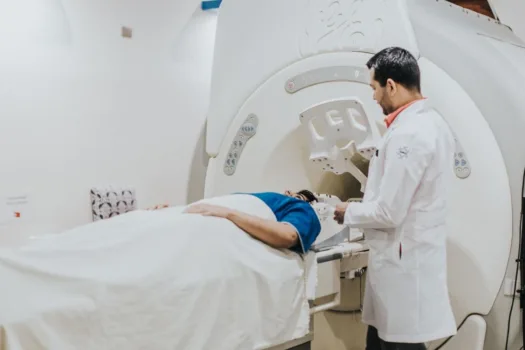
Serious brain injury claims often depend on showing changes that cannot always be seen in a photograph or measured by a single test. A person may look physically recovered while still struggling with concentration, communication, decision-making, or everyday tasks.
Building a strong claim therefore requires evidence that shows both the medical condition and its real effect on daily life. Attorneys handle brain injury claims by reviewing medical findings, accident evidence, employment records, expert opinions, and observations from family members or others who have noticed important changes. Together, these details can help create a clearer picture of what happened and how the injury continues to affect the person.
Reviewing Medical Records and Treatment History
Medical records often form the starting point for a claim. Attorneys may review hospital records, scans, test results, diagnoses, prescriptions, and follow-up visits. These records can show what doctors found and how care continued.
Treatment history can also help connect the injury to the accident. Notes about headaches, confusion, memory problems, balance issues, or other symptoms may show changes over time. Keeping records can make those changes easier to track.
Collecting Evidence From the Accident
Accident facts can matter as much as medical records. Police reports, photographs, videos, vehicle damage, road conditions, and details from the accident scene may help establish what happened.
Recordings can also add useful information. Traffic cameras, security cameras, dashboard cameras, or other video may capture the event or what happened shortly afterward. Attorneys may work to preserve this evidence before it is lost.
Gathering Witness Statements
People who saw the accident may remember details missing from official records. Drivers, passengers, bystanders, coworkers, and others may describe what they saw or noticed after the injury.
Witnesses can also provide information about changes in behavior or ability. A coworker might notice trouble with one’s routine tasks. A family member may observe changes in communication or memory. Early collection can preserve details while they are fresh.
Working With Medical and Other Experts
Brain injuries can be complicated, and medical records may not explain every effect. Attorneys may consult doctors, neurologists, rehabilitation specialists, and other professionals who can review the available evidence.
These professionals may explain the injury, treatment needs, rehabilitation, and possible long-term effects. Their opinions can add context to medical findings and reported problems. The evidence depends on the facts and professional findings in each case.
Documenting the Impact on Daily Life
A brain injury may affect parts of life that do not appear on a bill. Memory, concentration, communication, movement, work duties, household tasks, and personal activities can all be affected.
Employment records, rehabilitation notes, treatment records, and observations from family or coworkers can document these changes. A record of symptoms and daily difficulties may show how the injury has affected routines over time.
Establishing Financial Losses
Financial records help show the economic effects of a brain injury. These may include hospital bills, doctor visits, therapy, medication, and rehabilitation. Lost wages and reduced earning ability may need supporting records.
Useful documents include invoices, receipts, pay records, tax documents, employment information, and missed work records. Keeping these documents together can support claimed losses.
Organizing Evidence Into a Clear Claim
Evidence can lose value if it is scattered or difficult to follow. Attorneys handle brain injury claims by organizing records into a clear account of the accident, injury, treatment, effects, and financial losses. Each document can support part of that account.
Medical records may establish the injury and treatment. Accident evidence may explain what happened. Witness accounts can add personal observations, while expert opinions can explain medical issues. Financial records can document measurable losses. Together, these sources can present the facts during insurance discussions or legal proceedings. A clear timeline can also show how symptoms, treatment, and costs developed after the accident, giving each record a place in the larger account and helping readers follow the evidence without confusion from one stage to another.
What Evidence Can Help Support a Serious Brain Injury Claim?
Key evidence may include:
- Medical and hospital records
- Brain scans and diagnostic reports
- Police and accident reports
- Photos and videos
- Witness statements
- Employment and income records
- Rehabilitation records
- Expert opinions
- Records showing changes in daily life
Building a Stronger Evidence Record After a Brain Injury
A brain injury claim often depends on many pieces rather than one document. Medical records can show the injuries, accident evidence can establish the event, and witness or expert information can add context. Financial and employment records can show the economic impact.
Preserving records and documenting changes can create a fuller evidence record. Attorneys may review these materials together and identify what supports the claim. Every brain injury case is different, so the evidence needed will depend on the accident, medical findings, treatment, and losses involved.

Follow me down the rabbit hole!
I'm Alice and I live with a dizzying assortment of invisible disabilities, including ADHD and fibromyalgia. I write to raise awareness and end the stigma surrounding mental and chronic illnesses of all kinds.