 Alice Turing
Varicose veins are common enough that most people know someone who has them, and visible enough that they are easy to recognize. What is less commonly understood is why they develop in the first place, why some people seem to get them regardless of how healthy their lifestyle is, and why others with seemingly identical risk factors never develop them at all.
The answers involve a combination of mechanics, genetics, and life circumstances that interact differently in different people, and understanding them changes how you think about prevention, monitoring, and when to seek care.
The Mechanical Explanation
Every vein in the body contains one-way valves designed to keep blood moving in a single direction toward the heart. In the legs, these valves are doing significant work against gravity with every heartbeat, preventing blood from flowing backward as it travels upward through the venous system.
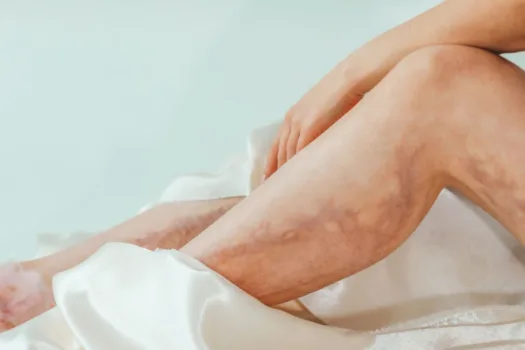
When these valves weaken or become damaged, they can no longer close completely. Blood flows backward through the compromised valve and pools in the section of vein below it. The pooled blood increases pressure within that section of vein. Over time, the sustained pressure causes the vein wall to stretch and distort, producing the enlarged, twisted appearance visible beneath the skin.
This is the mechanism behind every varicose vein regardless of what originally caused the valve damage. The root cause question is what determines why the valves failed in a specific person at a specific point in their life.
Genetics: The Factor Most People Underestimate
Family history is one of the strongest predictors of varicose vein development, and it is the factor most people underestimate when they think about their own risk. If one parent has varicose veins, the likelihood of developing them is significantly elevated. If both parents have them, the risk is higher still.
This hereditary component reflects inherited differences in vein wall strength, valve structure, and the connective tissue that supports the venous system. Some people inherit veins with walls that are more prone to stretching under pressure and valves that are more susceptible to failure. This does not mean varicose veins are inevitable for people with a strong family history, but it does mean the threshold at which other contributing factors tip the balance toward vein disease is lower.
Why Standing and Sitting for Long Periods Matter
Prolonged standing and prolonged sitting both increase the workload on leg vein valves, but through slightly different mechanisms. Standing for extended periods means the venous valves are continuously working against gravity with no assistance from leg muscle movement, which generates the pumping action that normally helps push blood upward through the veins.
Sitting for extended periods, particularly with legs in a dependent position, reduces the muscle pump activity that supports venous return even more completely. The combination of reduced muscle activity and sustained pressure in the leg veins creates conditions that accelerate valve fatigue in people who are already predisposed to vein disease.
Jobs that involve long periods of standing, including nursing, teaching, retail, and food service, consistently appear as occupational risk factors for varicose vein development. Sedentary office work and long-distance travel are the sitting equivalents that produce similar venous stress through a different mechanism.
What Causes Varicose Veins
The causes of varicose veins rarely operate in isolation. USA Vein Clinics’ detailed resource on what causes varicose veins addresses how genetics, lifestyle, hormonal influences, and specific life events interact to produce the valve failure that underlies all varicose vein development. Understanding the full picture is more useful than identifying any single cause, because most cases reflect the combined effect of several contributing factors rather than one dominant cause acting alone.
The most consistent contributing factors across the population include genetic predisposition, age-related changes in vein wall elasticity and valve function, prolonged standing or sitting, female sex, hormonal influences particularly during pregnancy and menopause, excess body weight, and prior leg injuries or deep vein thrombosis. Different combinations of these factors produce different degrees of risk in different individuals, which is why two people with similar lifestyles can have very different varicose vein outcomes if their genetic starting points differ significantly.
Hormonal Influences and Why Women Are Affected More Often
Women develop varicose veins at higher rates than men, and the hormonal dimension of vein health explains a significant part of this difference. Estrogen and progesterone both affect the tone and elasticity of vein walls. Elevated levels of these hormones, as occur during pregnancy, and the hormonal fluctuations of menopause and hormone replacement therapy, can relax vein walls in ways that make them more susceptible to the stretching that produces varicose veins.
Pregnancy compounds the hormonal effect with mechanical factors. The growing uterus places increasing pressure on the pelvic veins, which reduces the efficiency of venous return from the legs and increases pressure in the leg veins. The combination of hormonal vein wall relaxation and mechanical compression creates conditions that are particularly favorable for varicose vein development, which is why pregnancy is one of the most consistent triggers for first-time varicose vein appearance or worsening of existing veins.
The Role of Excess Body Weight
Excess body weight increases the pressure on leg veins in ways that accelerate the progression of valve failure in people who are already predisposed to vein disease. The additional weight increases the load that venous valves must work against with every heartbeat, and the associated reduction in physical activity in many people carrying excess weight reduces the muscle pump assistance that supports venous return.
Weight loss does not repair valves that have already failed, but it can slow the progression of vein disease in its earlier stages and reduce the symptom burden in people with existing varicose veins.
Age and What It Does to Vein Walls
Age-related changes in the structure of vein walls and valves make varicose vein development more likely as people get older, which is reflected in the significantly higher prevalence of varicose veins in people over forty compared to younger adults. The elastin and collagen in vein walls degrade over time, reducing the ability of the vein wall to resist the pressure of pooled blood. Valve cusps become less flexible and less capable of forming a complete seal, allowing progressively more reflux with each cardiac cycle.
These age-related changes are universal to some degree, but their clinical impact depends significantly on the genetic baseline a person started with and the accumulated effect of other contributing factors over time.
Prior DVT and Secondary Varicose Veins
Deep vein thrombosis, a blood clot in the deep veins of the leg, can damage the deep vein valves in ways that produce a post-thrombotic syndrome including secondary varicose veins and chronic venous insufficiency. The damage caused by the clot and the subsequent inflammatory response can leave the deep vein valves permanently compromised, redirecting blood flow into the superficial venous system and producing varicose veins that are a consequence of the DVT rather than a primary vein disease.
This mechanism means that people with a history of DVT need particular attention to their long-term venous health, as the risk of progressive vein disease following a clot is significantly elevated.
When Cause Identification Informs Treatment
Understanding what caused varicose veins in a specific patient is not purely academic. The underlying cause influences the treatment approach, the likelihood of progression, and the monitoring that is appropriate after treatment. USA Vein Clinics evaluates each patient’s vein disease through duplex ultrasound and medical history review at over 160 locations nationwide, with most major insurance plans accepted and online scheduling available at any hour. The evaluation provides the individualized picture that cause identification requires and that general population statistics cannot replace.

Follow me down the rabbit hole!
I'm Alice and I live with a dizzying assortment of invisible disabilities, including ADHD and fibromyalgia. I write to raise awareness and end the stigma surrounding mental and chronic illnesses of all kinds.