 Alice Turing
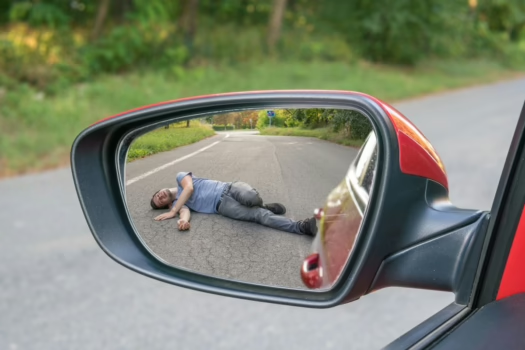
St. Petersburg is known for its waterfront views, popular beaches, arts scene, and year-round tourism along Florida’s Gulf Coast. The city attracts both residents and visitors with its busy downtown areas, entertainment districts, and major roadways connecting nearby coastal communities. With constant traffic from commuters, tourists, and seasonal visitors, vehicle accidents remain a common concern throughout the area.
Because many crash victims struggle to identify fleeing drivers on their own, people often work with a St. Petersburg hit-and-run accident attorney after collisions involving drivers who leave the scene illegally.
Police investigations play a major role in identifying hit-and-run drivers because officers use evidence, witness statements, surveillance footage, and accident reconstruction techniques to track down suspects. The sooner investigators gather evidence, the stronger the chances of identifying the responsible driver.
What Police Officers Do at the Scene
Police officers begin investigating immediately after arriving at the accident scene. Their priority usually involves protecting injured victims and securing the area for evidence collection.
Investigators often examine:
- Vehicle debris
- Tire marks
- Paint transfers
- Broken headlights or mirrors
- Road conditions
- Surveillance camera locations
Even small pieces of evidence can help officers identify the type, colour, or model of the fleeing vehicle.
How Witness Statements Help Investigations
Witnesses often provide important details that help investigators quickly identify hit-and-run drivers. People who saw the collision may remember license plate numbers, vehicle descriptions, or the direction the driver travelled after leaving the scene.
Helpful witness details may include:
- Vehicle colour and model
- Partial license plate numbers
- Driver descriptions
- Time of the crash
- Driving behavior before the collision
Independent witness statements can significantly strengthen an investigation, especially when physical evidence is limited.
Why Surveillance Footage Matters
Surveillance cameras now play a major role in many hit-and-run investigations. Traffic cameras, security systems, dash cameras, and nearby businesses often capture important footage that helps investigators identify fleeing drivers.
Police may review footage from:
- Traffic intersections
- Gas stations
- Retail stores
- Parking garages
- Residential security cameras
Video evidence sometimes captures the collision itself or records the suspect vehicle leaving the area shortly afterward.
Why Vehicle Damage Can Lead to Suspects
Hit-and-run vehicles frequently sustain noticeable damage during collisions. Broken headlights, dented bumpers, shattered mirrors, and paint damage may later help police identify suspect vehicles.
Officers sometimes work with:
- Local repair shops
- Insurance companies
- Vehicle registration databases
Drivers who suddenly seek repairs matching the crash evidence may attract police attention during the investigation.
How Technology Improves Hit and Run Investigations
Modern technology has improved police investigations significantly in recent years. License plate readers, traffic cameras, and digital databases help investigators track suspect vehicles faster than before.
Some investigations also involve:
- Cell phone evidence
- GPS vehicle tracking
- Social media tips
- Automatic vehicle recognition systems
These tools help officers connect evidence from multiple locations and identify suspects more efficiently.
Key Takeaways
- Police collect physical evidence immediately after crashes.
- Witness statements often help identify fleeing drivers.
- Surveillance footage can provide valuable investigative evidence.
- Vehicle damage may help police locate suspect drivers.

Follow me down the rabbit hole!
I'm Alice and I live with a dizzying assortment of invisible disabilities, including ADHD and fibromyalgia. I write to raise awareness and end the stigma surrounding mental and chronic illnesses of all kinds.