 Alice Turing
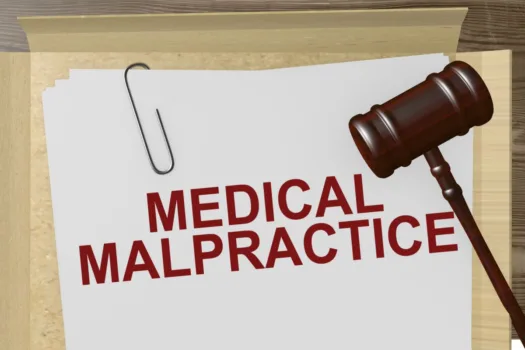
Proving fault in a medication error case usually requires evidence showing what medication was prescribed or provided, what went wrong, and how the mistake caused harm. Medical records, prescriptions, pharmacy records, witness statements, and expert medical opinions can all help establish what happened and whether a healthcare provider or other party failed to meet the required standard of care.
Las Cruces is a city in southern New Mexico known for its desert landscape, nearby mountain scenery, local cultural attractions, and outdoor recreation. The city serves as an important community in the southern part of the state, with residents relying on local healthcare providers, pharmacies, and other medical services. If a medication mistake has caused an injury, a skilled Las Cruces medication error attorney can help an injured person understand what evidence may be needed to support a claim.
What Is a Medication Error?
A medication error occurs when a mistake involving medication causes or contributes to harm.
Errors can happen at different stages of the medication process. A doctor might prescribe the wrong medication or dosage. A pharmacy could dispense the wrong drug. A healthcare worker could give medication incorrectly in a hospital or other healthcare setting.
Not every medication mistake automatically establishes legal liability. The circumstances must be examined carefully to determine whether someone acted negligently and whether that conduct caused the injury.
Medical Records
Medical records can provide a timeline of what happened.
These records may show:
- The patient’s medical condition
- Medications that were prescribed
- Dosages and instructions
- Allergies
- Treatment provided
- Reported symptoms
- Follow-up care
Comparing records from before and after the medication error can help establish how the patient’s condition changed.
Prescriptions and Pharmacy Records
Prescription records can help show what medication a healthcare provider intended the patient to receive.
Pharmacy records may also show what medication was actually dispensed.
If the prescription says one medication but the pharmacy provided another, those records may help establish where the error occurred.
Dosage information can also be important. A medication error may involve receiving too much or too little of a drug rather than receiving an entirely different medication.
Witness Statements
People who witnessed what happened may provide useful information.
A family member may have seen a patient receive medication or notice symptoms after taking it. A healthcare worker may have information about how medication was prepared or administered.
Witness accounts can help support other evidence, although their reliability and knowledge of the situation may also need to be considered.
Documentation of Symptoms
Patients should keep track of symptoms that develop after a suspected medication error.
Write down when symptoms began, how they changed, and what treatment was required afterward.
For example, if a medication error caused a severe reaction that required emergency treatment, records from the emergency department may help establish the connection between the medication and the resulting harm.
Expert Medical Opinions
Medication error cases can involve complicated medical questions.
An expert may be needed to explain whether the healthcare provider’s conduct fell below the applicable standard of care and whether that conduct caused the patient’s injury.
For example, an expert may review the patient’s medical records and determine whether the medication prescribed, dosage given, or administration method was appropriate under the circumstances.
Expert testimony can be especially important when the healthcare provider disputes that an error occurred or argues that the injury had another cause.
Evidence of the Resulting Injury
Establishing that an error occurred is only part of the process.
A claim may also require evidence showing the harm caused by the mistake.
This can include:
- Additional medical treatment
- Hospitalization
- Prescription costs
- Lost income
- Physical pain
- Emotional distress
- Long-term medical needs
Keeping bills, receipts, medical records, and employment documentation can help demonstrate these losses.
What If the Medication Error Was Discovered Later?
Sometimes a medication mistake is not immediately obvious.
A patient may initially believe that new symptoms are part of an existing medical condition. The error may only become apparent after another doctor reviews the patient’s medication history.
If you discover a possible medication error later, preserve your medical records and document when and how you learned about the potential mistake.
Do not assume that a delayed discovery automatically prevents a legal claim. Applicable deadlines can depend on the circumstances and the law involved.
New Mexico Law and Medical Malpractice Claims
Medication errors involving healthcare providers may fall under medical malpractice laws.
New Mexico’s medical malpractice rules can involve specific requirements concerning claims against healthcare professionals and facilities. For example, New Mexico Statutes § 41-5-3 contains definitions used within the state’s Medical Malpractice Act.
The specific law that applies can depend on who caused the error, the type of healthcare service involved, and the facts of the case.
Key Takeaways
- Medication errors can happen during prescribing, dispensing, or administration.
- Medical records can help establish what happened.
- Prescription and pharmacy records may identify discrepancies.
- Witness statements can provide additional evidence.
- Documentation of symptoms can help connect an error to an injury.
- Expert medical opinions may be necessary in disputed cases.
- Keep records of medical expenses and lost income.
- New Mexico Statutes § 41-5-3 contains definitions under the state’s Medical Malpractice Act.
- Seek medical attention first and preserve evidence if you suspect a medication error.

Follow me down the rabbit hole!
I'm Alice and I live with a dizzying assortment of invisible disabilities, including ADHD and fibromyalgia. I write to raise awareness and end the stigma surrounding mental and chronic illnesses of all kinds.