
 Alice Turing
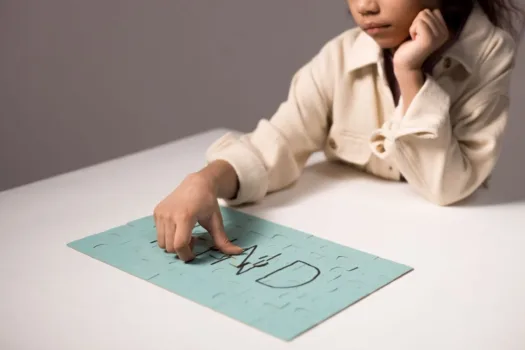
The link between autism and writing often shows a frustrating gap between a highly intelligent mind and struggling hands. Many autistic people have brilliant ideas and deep knowledge to share with the world. However, the physical act of writing on paper feels painful, exhausting, and overwhelming for them.
Deadlines make this physical struggle much worse for neurodivergent students who already face daily academic hurdles. If you have ever felt so stressed that you thought, “I just need someone to write essay for me in 3 hours,” you know this pressure well. Learning the actual facts behind these physical barriers helps us understand why written tasks take such a massive toll.
1. The definition of dysgraphia
Dysgraphia is a specific learning disorder that makes it incredibly hard for the brain to remember and draw letters. When researching autism and writing, it is vital to know that this condition deeply affects how the brain stores words in its short-term memory. It is much more than just a simple problem with hand muscles.
The brain must hold the exact shape of a letter in its memory while the hand draws it. When this mental process fails, the writer forgets what they wanted to say before the pencil even touches the paper. You can see this happen when a very smart speaker writes sentences that look broken or overly simple.
Clinical studies show that between 60% and 90% of autistic children struggle with handwriting and written expression. This huge overlap proves that messy writing is usually a real neurological difference, not just bad behavior or laziness.
How often motor and writing challenges happen
|
Neurological condition |
Estimated rate in autistic people |
Main impact on school work |
|
Dysgraphia |
60% to 90% |
Severe trouble producing neat and fluent handwriting |
|
Dyspraxia (DCD) |
50% to 80% |
Big struggles with overall body coordination and planning |
|
Fine motor delays |
38% to 68% |
Hard time holding small objects and gripping a pencil |
|
Joint hypermobility |
20% to 30% |
Fast hand fatigue and joint pain during written tasks |
Source note: Data adapted from pediatric diagnostic surveys and neurodevelopmental research profiles.
2. How weak motor skills hurt handwriting
Weak motor skills stop the small muscles in the fingers and wrists from working together smoothly. Holding a pencil correctly requires constant, intense effort from these tiny muscles. This extreme physical effort quickly makes the hand tired, sore, and stiff.
Many autistic writers also have bendy joints that easily flex backward under pressure. To keep their fingers steady, they naturally grip the pen as hard as they possibly can. This tight grip causes sharp wrist pain and makes writing miserable after just a few minutes.
You will clearly see their physical exhaustion when they try to write by hand. Watch for these specific physical signs during a long writing session:
- Tight closed fist
- Sharp inward wrist bend
- Frequent hand shaking
- Heavy body leaning
3. The sensory struggles of handwriting
Sensory issues turn the quiet task of handwriting into a very stressful and loud event. The scratchy sound of a pencil dragging across rough paper can easily distract a sensitive brain. Bright classroom lights reflecting off bright white paper can even cause sharp headaches and eye strain.
When the brain feels attacked by bad sensory input, it goes into a sudden panic mode. In this alert state, a student cannot focus on spelling or grammar at all. This explains why a student might write perfectly in a quiet bedroom but completely fail in a loud classroom.
The body also uses a special internal sense to know exactly where its parts are in space. Some autistic people cannot feel exactly how hard they are pressing down on the page. They might press so hard they rip the paper, or press so lightly you cannot see the ink.
4. How dyspraxia makes the writing process harder
Dyspraxia is a common coordination disorder that affects how the brain plans broad physical movements. Research indicates that between 50% and 80% of autistic individuals also experience these significant motor coordination deficits. While dysgraphia impacts the fingers, dyspraxia impacts the entire arm, shoulder, and core posture.
Sitting upright at a desk actually requires a huge amount of core muscle strength. Students with dyspraxia often have low muscle tone, making it exhausting just to sit up straight in a chair. When their core gets tired, they slump over the desk, which ruins their writing angle.
Because their shoulders and arms lack stability, controlling a tiny pencil becomes almost impossible. They must use all their mental energy just to keep their body upright and balanced. This leaves zero brain power left for thinking about spelling or story structure.
Brain processes needed for written tasks
|
Brain function |
Job during the writing process |
Common autistic experience |
|
Working memory |
Holding letter shapes in the mind |
Takes intense effort instead of happening naturally |
|
Motor planning |
Sequencing the muscle movements to draw letters |
Hand movements look choppy or poorly timed |
|
Visual processing |
Keeping words inside the paper margins |
Letters float up or sink down across the page |
|
Physical feedback |
Feeling the pressure on the pen |
Leads to ripped paper or very faint pencil marks |
Source note: Brain function roles adapted from occupational therapy guidelines.
5. Why essays freeze the brain
Writing a full paper forces the brain to juggle research, spelling, and grammar rules all at exactly the same time. This is why autism and writing essays often lead to complete mental blockades. The brain’s internal project manager simply gets overwhelmed by having to do too many abstract tasks at once.
This heavy mental load easily causes a brain freeze known as task paralysis. The writer might stare at a blank screen for hours because they just do not know where to start. Open-ended prompts are especially scary because they lack clear rules and concrete boundaries.
Without a clear framework, the endless choices become a huge cognitive roadblock. Educational psychology shows that these specific writing autism strategies easily bypass a brain freeze:
- Breaking the massive project into tiny ten-minute chunks.
- Using a visual map to show exactly where paragraphs belong.
- Setting a timer to promise a clear sensory break.
- Giving highly specific questions to answer instead of broad topics.
- Allowing spoken first drafts to skip the physical typing part.
6. The heavy burden on working memory
Working memory acts like the brain’s temporary sticky note for holding ideas. Autistic students often have incredible long-term memories for facts, but their short-term working memory can struggle under pressure. Writing requires the brain to hold a full sentence in this temporary memory while the hand slowly spells it out.
Because handwriting takes so long for someone with motor delays, the temporary sticky note often falls down. By the time they finish writing the third word, they have completely forgotten the end of the sentence. This constant forgetting is deeply frustrating for someone who knows exactly what they want to say.
This memory drop explains why verbal answers are often much richer than written ones. When speaking, the words leave the brain instantly before the working memory can drop them. Writing creates a slow traffic jam between the fast brain and the slow hand.
7. Traits of an autistic writing style
An autistic writing style usually features highly factual and direct words instead of vague emotional hints. These writers often have huge vocabularies and care deeply about telling the exact truth. Their written work is typically well-researched, highly informative, and free of fluff.
Because they value direct facts, their stories might skip the emotional drama found in typical books. They also might assume the reader already knows the basic background of their topic. This means they often dive straight into complex technical details without giving a simple introduction first.
Differences in neurodivergent writing habits
|
Writing element |
Typical writing habit |
Autistic writing habit |
|
Word choice |
Uses common, everyday conversational words |
Uses highly precise and specialized vocabulary |
|
Story start |
Follows a standard emotional build-up |
Jumps straight into highly detailed facts |
|
Main tone |
Focuses heavily on social feelings |
Focuses heavily on logic and objective truth |
|
Details |
Gives a simple and broad overview |
Gives deep details and assumes the reader knows the basics |
Source note: Writing habits generalized from special education literacy studies.
8. How computers bypass physical limits
Using computers helps bridge the huge gap between brilliant ideas and weak hand muscles. When exploring tools for autism writing, taking away the pencil immediately lowers the brain’s stress. Typing on a keyboard takes much less physical strength and planning than drawing letters by hand.
Speech-to-text software offers a massive practical benefit because it skips the hands entirely. By speaking their thoughts out loud, the user lets the computer do the hard physical work. This saves their mental energy for organizing the story instead of struggling to spell words.
Word prediction software also provides significant relief by reducing the number of buttons they have to press. As the user types, the computer guesses the word, which heavily lowers the memory burden. These digital tools prove that sharing great ideas does not actually require a traditional pen.
Types of digital tools for dysgraphia
|
Tool category |
Specific software type |
Direct factual benefit |
|
Voice tools |
Speech-to-text dictation |
Removes the physical act of spelling entirely |
|
Typing tools |
Word prediction software |
Reduces keystrokes and lessens memory drops |
|
Visual tools |
Mind mapping software |
Helps organize messy thoughts before drafting |
|
Motor tools |
Adaptive ergonomic keyboards |
Reduces sharp wrist pain and finger joint strain |
Source note: Tool categories based on standard occupational therapy and assistive technology guidelines
9. Finding the right topics
The best autism topics to write about connect directly to a student’s deepest personal interests. When a topic matches their passion, it unlocks a natural brain state called hyperfocus. Writing about a favorite subject lowers anxiety and gives them a large pool of facts to share easily.
Standard school prompts often fail because they ask the brain to care about boring, general topics. Autistic students do their absolute best work when they write detailed guides about what they truly love. Using their special interests turns a stressful chore into a fun chance to show off their expertise.
When a writer finally gets to explore their favorite subject, their whole approach changes. You will likely see these two clear positive shifts during their writing process:
- Producing massive amounts of text without getting tired
- Using highly advanced words and complex sentences naturally
10. Unfair grading and modern help
Schools have historically punished dysgraphic students by grading them badly just for having messy handwriting. Tutor Angela, a blog writer for DoMyEssay, an essay writing service, notes that teachers often judge messy papers unfairly. This bias punishes students for a physical disability instead of measuring how smart their ideas actually are.
In 2026, research continues to show that forcing students to rewrite papers for neatness causes deep academic trauma. It drains their energy without actually fixing their underlying motor delays at all. Angela points out that neurodivergent students excel when schools assess concepts rather than penmanship.
History shows that schools unfairly punished neurodivergent writers in these specific ways:
- Grading neatness over ideas
- Calling bad spelling lazy
- Forcing repeated rewrites
- Banning computer keyboards
- Taking away recess time
- Lowering overall test scores
Frequently asked questions
What is the difference between dysgraphia and dyspraxia?
Dysgraphia is a learning disorder that mainly affects writing, spelling, and remembering letter shapes. Dyspraxia affects body coordination and motor planning everywhere, making it hard to walk, sit up straight, or use tools.
Why does handwriting cause physical pain?
The pain comes from weak hand muscles and bendy joints. Because the brain struggles to control the fingers, the writer grips the pen incredibly hard, which causes severe cramps.
Does dysgraphia affect typing too?
Yes, it can affect typing because it involves memory and spelling skills. However, typing is still much faster and less painful than handwriting for most people with this condition.
Conclusion
Understanding the connection between autism and writing means looking past messy papers to see the real neurological hurdles. Conditions like dysgraphia, weak working memory, and sensory overload turn a basic school task into a major mental obstacle. By providing the right digital tools and understanding these underlying challenges, we can completely remove these physical barriers.
This essential support empowers neurodivergent writers to confidently share their brilliant minds with the world.

Follow me down the rabbit hole!
I'm Alice and I live with a dizzying assortment of invisible disabilities, including ADHD and fibromyalgia. I write to raise awareness and end the stigma surrounding mental and chronic illnesses of all kinds.