
 Alice Turing
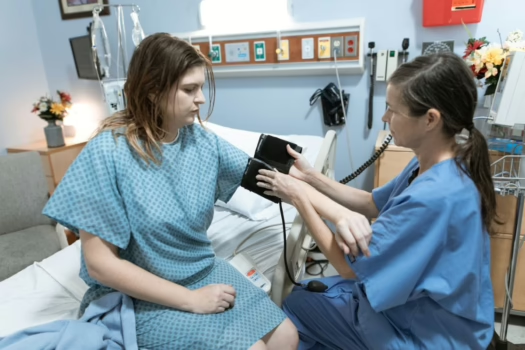
Nursing has always played a vital role in healthcare, but its impact no longer stops at the bedside. Today’s nurses shape patient outcomes, influence policy decisions, lead healthcare teams, and drive innovation across clinical and non-clinical settings. As healthcare systems grow more complex, nurses step into expanded roles that demand advanced skills, strong leadership, and a deep understanding of patient-centered care.
This article explores how modern nursing extends far beyond traditional care, highlighting the growing responsibilities, opportunities, and influence nurses hold today—and how understanding these changes can help guide current and future professionals in the field.
Nursing’s Shift Beyond Traditional Bedside Roles
Nursing has moved well beyond the image of bedside-only care. While direct patient interaction remains central, nurses now contribute across many layers of healthcare systems. They participate in care planning, quality improvement initiatives, and interdisciplinary collaboration. Hospitals and clinics rely on nurses to coordinate services, manage patient flow, and ensure continuity of care. This shift reflects growing trust in nursing expertise and acknowledges the profession’s ability to adapt to changing healthcare demands. Nurses today balance clinical responsibilities with broader organizational roles that directly influence outcomes and efficiency.
The Importance of Continuing Education for Today’s Nurses
As healthcare evolves, continuing education has become integral for nurses who want to remain effective and confident in their roles. New technologies, updated clinical guidelines, and changing patient needs require nurses to expand their knowledge regularly. Ongoing education supports safer care, stronger clinical judgment, and greater career flexibility. Many nurses pursue advanced degrees to prepare for leadership, education, or specialized practice. Nowadays, flexible options like Rockhurst University nursing online programs allow nurses to continue working while advancing their education. This approach helps nurses strengthen their skills without stepping away from their professional responsibilities.
Nurses as Leaders in Healthcare Teams
Leadership no longer belongs to a single title or position in healthcare. Nurses often lead care teams through daily decision-making, patient advocacy, and coordination of services. Their close contact with patients gives them valuable insight into care needs and system gaps. Nurses frequently guide interdisciplinary discussions, support new staff, and contribute to policy implementation within healthcare settings. These leadership roles demand strong communication, critical thinking, and accountability. As healthcare systems prioritize teamwork, nurses continue to emerge as natural leaders who connect clinical care with organizational goals.
The Role of Nurses in Healthcare Policy and Advocacy
Nurses play an increasingly important role in shaping healthcare policy and advocating for patients and communities. Their firsthand experience with care delivery allows them to identify issues related to safety, access, and equity. Many nurses engage with professional organizations, advisory boards, and legislative initiatives to influence decisions that affect healthcare delivery. Advocacy also occurs at the local level, where nurses work to improve workplace conditions and patient resources. By participating in policy discussions, nurses help ensure that healthcare decisions reflect real-world clinical realities.
Expanding Roles in Community and Public Health
Beyond hospitals and clinics, nurses make a significant impact in community and public health settings. They lead health education programs, manage chronic disease initiatives, and support preventive care efforts. Community-based nurses often work with diverse populations, addressing social and environmental factors that influence health. Their work helps reduce hospital admissions and supports long-term wellness. Public health challenges such as vaccination outreach, health screenings, and emergency preparedness rely heavily on nursing expertise. These roles highlight the profession’s commitment to improving health at both individual and population levels.
Nurses Driving Innovation and Healthcare Technology
Technology now plays a central role in healthcare delivery, and nurses often stand at the center of its practical use. From electronic health records to remote monitoring tools, nurses help ensure that technology supports patient care rather than complicates it. Their daily interaction with these systems gives them insight into what works and what creates barriers. Nurses frequently contribute feedback during the implementation of new tools and help train colleagues on effective use. This involvement improves efficiency and keeps patient needs at the forefront as healthcare systems continue to adopt digital solutions.
The Growing Presence of Nurses in Education and Mentorship
As the demand for skilled nurses rises, experienced professionals increasingly step into educational and mentorship roles. Many nurses teach in academic settings, while others guide students and new hires in clinical environments. Mentorship supports confidence, professional growth, and long-term retention within the field. Nurses who share real-world experience help bridge the gap between theory and practice. These roles also allow seasoned nurses to influence the future of healthcare by shaping how new professionals approach patient care, teamwork, and ethical responsibility.
Advanced Practice Nursing and Specialized Care
Advanced practice nurses fill critical gaps in healthcare access and delivery. Roles such as nurse practitioners, clinical nurse specialists, and nurse anesthetists allow nurses to provide specialized care across a range of settings. These professionals often manage complex conditions, conduct assessments, and develop treatment plans. Their advanced training supports a high level of autonomy while maintaining a strong focus on patient-centered care. As healthcare systems face provider shortages, advanced practice nurses play an important role in meeting patient needs without compromising quality.
Research and Evidence-Based Practice Led by Nurses
Nurses contribute immensely to research and the application of evidence-based practice. Their involvement ensures that research addresses practical concerns that affect patient care. Many nurses participate in clinical studies, quality improvement projects, and data analysis efforts aimed at improving outcomes. They also help translate research findings into everyday practice by updating protocols and educating colleagues. This connection between research and care delivery strengthens healthcare systems and promotes consistent, informed decision-making.
The Future Outlook for the Nursing Profession
The future of nursing reflects continued growth, responsibility, and influence. Nurses will likely take on expanded roles as healthcare systems adapt to aging populations, workforce shortages, and evolving patient expectations. Nurses will continue to shape care models, advocate for patients, and contribute to system-wide improvements.
Nursing continues to evolve in ways that demand confidence, curiosity, and leadership. The profession offers opportunities for impact that extend into education, research, technology, and advanced practice. These pathways allow nurses to shape healthcare environments while staying connected to patient needs. As the field grows, nurses who embrace change and professional development can help build healthcare systems that respond more thoughtfully to the challenges ahead.

Follow me down the rabbit hole!
I'm Alice and I live with a dizzying assortment of invisible disabilities, including ADHD and fibromyalgia. I write to raise awareness and end the stigma surrounding mental and chronic illnesses of all kinds.