 Alice Turing
Autism therapy helps children build communication, movement, self-care, learning, and social participation through planned clinical support. Each child brings a distinct profile of strengths, sensory needs, and developmental priorities. Effective care often combines several methods into a single coordinated plan. Progress may appear as clearer requests, steadier sleep routines, safer play, calmer transitions, or stronger peer connections. The following therapy types show how different interventions support practical growth.
Applied Behavior Analysis
Applied behavior analysis studies what happens before and after actions, then uses that pattern to teach safer, more useful responses. In many care plans, autism therapy in Cicero can involve center-based teaching that pairs communication goals with peer practice, toileting routines, feeding support, transition work, and school preparation. Data guides each adjustment, so progress reflects observed behavior rather than guesswork.
Speech Therapy
Speech therapy addresses expressive language, receptive language, articulation, and social communication. Some children practice spoken words, while others use signs, picture systems, or speech-generating devices. A clinician may target requesting, labeling, answering questions, taking part in conversations, or building emotional vocabulary. Stronger communication can lower distress because the child gains reliable ways to share pain, hunger, preferences, questions, and refusal.
Occupational Therapy
Occupational therapy focuses on daily function and sensory processing. Treatment may include dressing, feeding, handwriting, utensil use, motor planning, or body awareness. Some sessions address sound sensitivity, tactile defensiveness, visual overload, or movement seeking. Better regulation can help a child remain available for learning, tolerate grooming, join family meals, and complete self-care tasks with less resistance.
Physical Therapy
Physical therapy supports gross motor strength, balance, posture, gait, and coordination. A child may need help with climbing stairs, jumping, running, ball play, or sitting upright during table work. Therapists use structured movement that challenges muscles without overwhelming the nervous system. Improved motor control can increase safety, playground access, endurance, and confidence during active routines.
Social Skills Therapy
Social skills therapy teaches interaction in concrete, observable steps. Lessons may cover greeting, waiting, sharing materials, noticing facial cues, asking for a turn, or repairing small conflicts. Group practice can help children apply those lessons with peers. Over time, social learning becomes less abstract because the child rehearses real interactions in a guided setting.
Play Therapy
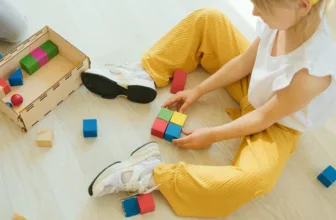
Play therapy uses the child’s interests as the entry point for connection and learning. A therapist may join in with blocks, stuffed toys, pretend scenes, puzzles, sensory bins, or simple games, and then gently add goals. Sessions can build imitation, joint attention, flexibility, choice-making, and emotional expression. Because play is familiar, many children stay engaged while practicing developmental skills.
Cognitive Behavioral Therapy
Cognitive behavioral therapy may help older children who experience anxiety, anger, rigid thoughts, or specific fears. A therapist teaches the child to identify body signals, name emotions, and test unhelpful thoughts. Visual scales, scripts, role-play, and coping plans make abstract ideas more usable. This approach works best when a child can reflect on their feelings and practice strategies.
Parent Training
Parent training gives caregivers clinical tools for daily life. Coaching may cover prompting, reinforcement, visual schedules, sleep routines, mealtime behavior, transition warnings, and safety planning. Consistent responses help children practice skills outside therapy appointments. Caregivers also gain a clearer understanding of behavioral patterns, which can reduce stress during errands, school preparation, bedtime, and sibling interactions.
Developmental Therapy
Developmental therapy views relationships, attention, emotional growth, play, and problem-solving as interconnected skills. Sessions often follow the child’s lead while encouraging shared focus and reciprocity. Goals may include gestures, eye contact, back-and-forth play, flexible thinking, or longer engagement. Warm interaction remains central, so development grows through connection rather than isolated drills alone.
Conclusion
No single therapy matches every child’s needs, and effective support often blends several clinical methods. Applied behavior analysis, speech therapy, occupational support, movement work, social practice, play-based care, emotional coaching, caregiver training, and developmental intervention each serve a defined purpose. Strong plans track measurable gains, respect the child’s pace, and carry skills into home, school, and community routines. With steady guidance, children can build confidence, independence, and meaningful connections.

Follow me down the rabbit hole!
I'm Alice and I live with a dizzying assortment of invisible disabilities, including ADHD and fibromyalgia. I write to raise awareness and end the stigma surrounding mental and chronic illnesses of all kinds.