
 Alice Turing
Recovery is an ongoing process founded on daily decisions, dedication, and readiness to continue despite any difficulties that may arise. While everyone’s road is unique, many discover that certain reminders play a key role in helping them focus on the values and objectives that inspired their choice to pursue recovery. Some rituals, supportive people, and personal symbols can serve as motivators in times of uncertainty.
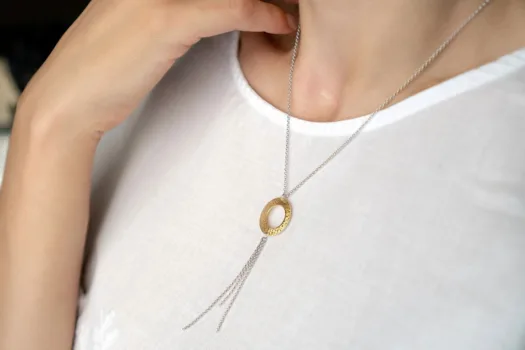
One personal reminder some people choose to wear daily is a sobriety necklace. Besides being a piece of jewelry, it can also become a symbol of perseverance and progress achieved every day. It is not supposed to be a remedy in itself, but a personal symbol that will remind you of the importance of recovery wherever you go.
Continue reading to learn more about the benefits of wearing a sobriety necklace in the pursuit of recovery goals.
1. Serves as a Daily Reminder of Your Recovery Commitment
The value that is derived from wearing sobriety necklaces is the fact that they act as a tangible representation of the commitment that you have made to yourself. It is different from other things that may not always be on you because a necklace is usually worn throughout the day, and hence makes it easier to take time out of your schedule to reflect.
Most recovery necklaces come with symbols, words, and sometimes a timeline of achievements related to your recovery. Seeing that symbol, whether you are caught up in the hustle of life, going about your duties, or at times of stress, makes you stop and think again. Such a reminder will help you stay consistent on your recovery journey, even though the necklace can’t make any decisions for you.
2. Represents Personal Progress and Meaningful Milestones
Recovery is considered a journey, as there are no instant results but only gradual steps towards improvement. The sobriety necklace serves to honor the steps on the path to sobriety. Whether it marks the start of a new journey towards recovery, honors anniversaries, or serves as recognition of an achievement, it provides a physical reminder of all the progress one has already made.
Unlike achievements that might not stick in one’s memory over time, jewelry provides tangible proof of what one has accomplished. It reminds one that recovery is a process of constant work, not perfection. Celebration of progress also contributes to motivation. Honoring each step, no matter how small, helps keep goals in mind and encourages perseverance.
3. Encourages Mindful Choices during Difficult Moments
Every recovery journey includes situations that test resilience. Stress, unexpected life events, and emotional challenges can make it difficult to stay focused on long-term goals. During those moments, a sobriety necklace can serve as a quiet reminder to slow down before reacting. Simply noticing the necklace may encourage you to take a deep breath, reflect on your priorities, or consider healthier ways to respond.
This brief moment of awareness does not eliminate challenges, but it can create valuable space between an emotional trigger and your next decision. Mindfulness is often strengthened through simple daily habits, and meaningful symbols can become part of that routine. By consistently reconnecting you with your recovery values, the necklace supports thoughtful decision-making that aligns with your personal goals.
4. Creates a Personal Connection to Your Recovery Journey
Every recovery process involves experiences that test resilience. Situations such as stress, life-changing experiences, and emotional issues can make it hard to focus on achieving your long-term objectives. In such instances, the sobriety necklace can be a subtle reminder to take time before reacting. Just being aware of the existence of the necklace can help you take a breath or even think about how you can react to the situation.
This will not eliminate problems, but it can provide an important time gap between what triggers you emotionally and what you decide to do next. Mindfulness is typically fostered through certain habits, and symbols are often incorporated into such practices. With the necklace constantly bringing back memories of your recovery, it becomes easier to make decisions aligned with your objectives.
5. Can Encourage Supportive Conversations and Meaningful Connections
Even though recovery is intensely personal, it is hardly ever something people go through on their own. Meaningful connections often help one stay motivated and committed. The presence of a sobriety necklace may sometimes initiate constructive discussions with people such as good friends, loved ones, sponsors, and others who understand its importance. This would allow people to share stories, mark achievements, or receive some encouragement when needed.
Obviously, one does not necessarily have to explain their story by wearing a recovery piece of jewelry. People often find comfort in knowing they don’t have to tell anyone about its significance if they want to keep it to themselves. Whenever discussions arise, they can deepen the sense of connectedness and help one feel supported when needed.
Wrapping Up
The sobriety necklace is much more than just a piece of jewelry. It is your personal symbol, which will remind you of your recovery targets daily and provide opportunities to celebrate your milestones, reflect on your experiences, and find hope for the future.
Though it cannot replace professional treatment, support networks, or your personal efforts, the sobriety necklace can be incorporated into your rituals and routines to strengthen your recovery process even further. Through the meaning it carries, a sobriety necklace reminds you of your strength, your progress, and the values that still guide you.

Follow me down the rabbit hole!
I'm Alice and I live with a dizzying assortment of invisible disabilities, including ADHD and fibromyalgia. I write to raise awareness and end the stigma surrounding mental and chronic illnesses of all kinds.