
 Alice Turing
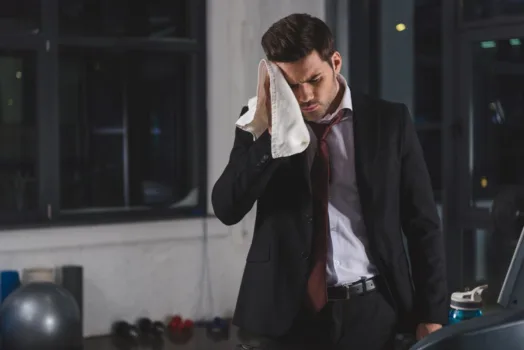
Hyperhidrosis anxiety can create a frustrating loop: you worry about sweating, the stress response makes sweating more noticeable, and fear of being judged makes everyday situations feel harder. While anxiety does not cause every case of excessive sweating, it can intensify symptoms for many people. The most useful approach is to address both the physical sweating and the emotional impact, rather than treating either concern as a personal failure.
Understanding the Sweating–Stress Cycle
Sweating is a normal body function that helps regulate temperature. With hyperhidrosis, however, the body may produce more sweat than is needed for cooling, including when someone is sitting still or in a comfortable environment. This can affect the hands, feet, underarms, face, scalp, or other areas.
Anxiety can activate the body’s stress response. For someone who already experiences hyperhidrosis, situations such as meeting new people, speaking in public, shaking hands, driving, attending appointments, or wearing certain clothing may trigger worry before the event even starts. That anticipation can increase physical symptoms, which then reinforces the fear.
|
Stage of the cycle |
What may happen |
Possible effect |
|
A social situation approaches |
You anticipate sweat or embarrassment |
Anxiety rises before the event |
|
Stress response begins |
Heart rate and physical tension increase |
Sweating may become more noticeable |
|
Sweating becomes visible or uncomfortable |
You focus on damp clothing, palms, or facial sweating |
Self-consciousness increases |
|
Avoidance feels safer |
You cancel plans or limit participation |
Short-term relief, but more fear later |
This pattern is common, and it is understandable. It does not mean that the symptoms are “all in your head.” Hyperhidrosis is a real medical condition, while anxiety can be a genuine and treatable response to living with it.
How Social Avoidance Can Grow
Social avoidance often begins with practical attempts to stay comfortable. Someone may choose dark clothing, avoid handshakes, keep their hands in pockets, skip photographs, decline invitations, or sit near an exit. These strategies can be useful in specific situations, but they may become limiting when they consistently stop someone from doing things they value.
For example, a student may avoid raising their hand because sweaty palms make them uncomfortable. A professional may worry about presentations or networking events. Someone else may stop dating, exercising in public, or using public transportation because they fear visible sweating or body odor.
Avoidance may provide immediate relief, but it can quietly teach the brain that the situation was dangerous. Over time, the anticipation of sweating can become more distressing than the actual sweating episode. Recognizing this cycle is an important step toward changing it.
Practical Ways to Interrupt the Cycle
The goal is not to force yourself to ignore discomfort. Instead, use small, realistic strategies that reduce symptom-related stress while helping you stay engaged in daily life.
Before a challenging situation, consider the following:
- Wear breathable fabrics or carry a spare shirt, socks, handkerchief, or underarm garment shields.
- Build extra time into your schedule so you are not rushing into an appointment or event.
- Identify personal triggers, such as heat, caffeine, spicy food, alcohol, or certain fabrics.
- Use a brief calming technique, such as slow breathing or grounding with your senses.
- Choose one manageable social action instead of avoiding the entire situation.
- Remind yourself that sweating is a symptom, not a reflection of your competence or worth.
These strategies work best when they are paired with a compassionate mindset. Planning ahead can give you more control, but it does not need to become a rigid ritual. If carrying a backup item helps you attend an event, it is a practical support—not a sign that you have failed.
Treat the Physical Symptoms Too
Emotional coping is valuable, but it should not replace medical care for disruptive sweating. A healthcare professional can help determine whether sweating is primary hyperhidrosis or secondary to another issue, such as a medication effect, thyroid condition, low blood sugar, infection, menopause, or another health concern.
Depending on the affected area, severity, and health history, a clinician may recommend a stronger antiperspirant, prescription topical therapy, oral medication, iontophoresis, botulinum toxin injections, or another approach. The best option varies from person to person, and some treatments may have side effects or may not suit everyone.
If sweating affects your work, education, relationships, sleep, mobility, or confidence, it is reasonable to ask about treatments for excessive sweating. Reducing the physical symptoms can make it easier to participate in situations that previously felt overwhelming.
Supporting Mental Health Without Blaming Yourself
Because hyperhidrosis can affect self-image and social confidence, support for anxiety can be an important part of care. A therapist or mental health professional can help you identify unhelpful thoughts, develop coping tools, and gradually re-enter situations you have been avoiding.
Cognitive behavioral therapy, commonly called CBT, is one approach that may help people change the connection between feared situations, anxious thoughts, and avoidance behaviors. Therapy does not imply that hyperhidrosis is imaginary. It recognizes that chronic physical symptoms can affect mood, confidence, and quality of life.
A gradual approach is often more sustainable than trying to face every feared situation at once. You might start by meeting one friend for coffee, attending a short class, or staying at an event for a planned amount of time. Afterwards, note what went better than expected and what you would adjust next time.
When to Seek Medical Advice Promptly
Excessive sweating deserves prompt medical attention when it begins suddenly, occurs mainly during sleep, or comes with other concerning symptoms. Do not assume that every sweating episode is caused by anxiety.
Contact a clinician promptly if sweating occurs with:
- Chest pain, pressure, shortness of breath, or a rapid heartbeat.
- Fever, unexplained weight loss, severe weakness, or fainting.
- Confusion, dehydration, overheating, or a major change in usual sweating patterns.
- New symptoms after starting, stopping, or changing a medication.
A medical assessment can rule out or identify contributing conditions and help you make an informed treatment plan.
Frequently Asked Questions
Can Anxiety Cause Hyperhidrosis?
Anxiety can trigger or worsen sweating, but hyperhidrosis can also occur without anxiety. A clinician can help distinguish between primary hyperhidrosis, secondary sweating, and stress-related symptom changes.
Is It Normal to Avoid Social Situations Because of Sweating?
It is understandable, but persistent avoidance can shrink your routines and increase anxiety over time. Small, supported steps back into valued activities can help rebuild confidence.
Can Treating Hyperhidrosis Help Anxiety?
Often, yes. When sweating becomes more manageable, many people feel less worried about social situations. However, anxiety may still deserve separate support if it continues to affect daily life.

Follow me down the rabbit hole!
I'm Alice and I live with a dizzying assortment of invisible disabilities, including ADHD and fibromyalgia. I write to raise awareness and end the stigma surrounding mental and chronic illnesses of all kinds.