 Alice Turing
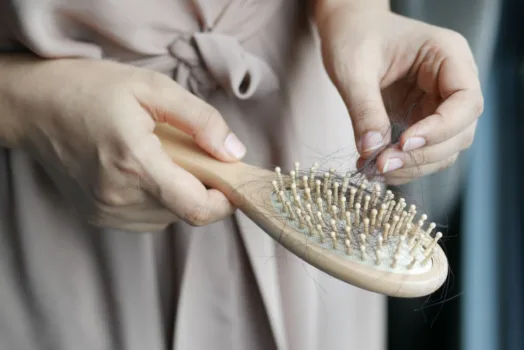
Finding extra hair on your pillow or in the shower drain is upsetting on any day. When you live with a chronic illness, it can feel like your body found another way to wear you down.
You’re far from alone. The CDC reports that three in four US adults have at least one chronic condition, and hair loss is a known effect of some of those conditions and the drugs used to treat them. Some types of hair loss grow back on their own, and others need early care, so finding the cause matters.
|
Key Takeaways
|
What Causes Hair Loss When You Have a Chronic Illness?
The American Academy of Dermatology (AAD) says losing 50 to 100 hairs a day is normal. If you’re losing more or seeing new bald patches, one of these six causes may be involved.
1. Can a Flare or Fever Trigger Shedding Months Later?
Yes. A high fever, surgery, a serious illness, or intense stress can push extra hair follicles into a resting phase at once, a type of shedding called telogen effluvium. After COVID-19, for example, the AAD says shedding usually starts two to three months later and lasts three to six months before hair regrows on its own. Logging your flare dates helps you connect shedding to its trigger.
2. How Does Thyroid Disease Affect Your Hair?
A thyroid problem can thin your hair, and some people notice it coming out in clumps. The AAD says treating thyroid disease can reverse the hair loss. Ask for a thyroid check even if another diagnosis already explains your fatigue.
3. Can Your Immune System Attack Your Hair Follicles?
Yes. In alopecia areata, the immune system attacks hair follicles and causes patchy hair loss. The National Alopecia Areata Foundation (NAAF) estimates that nearly seven million people in the US will have it at some point. Lupus can cause hair loss through scalp rashes or sores, and the Lupus Foundation of America notes that hair may not grow back where the scalp has scarred.
4. Could Your Medication Be the Cause?
It’s possible. MedlinePlus lists retinoids, beta-blockers, calcium channel blockers, certain antidepressants and NSAIDs among the drugs that can cause hair loss, and the Lupus Foundation adds steroids and immunosuppressive drugs. Don’t stop taking medication on your own, since the AAD warns that quitting some drugs suddenly can be dangerous. Instead, ask your prescriber about alternatives.
5. Are Low Nutrient Levels Part of the Problem?
The AAD lists low biotin, iron, protein, or zinc as causes of hair loss, and hair can regrow once levels recover. If your condition affects your appetite or digestion, ask for a blood test before you buy supplements.
6. How Do Hormones and Genetics Play a Role?
Hereditary pattern hair loss is the most common cause of hair loss worldwide, according to the AAD. It often shows up as a widening part in women and a receding hairline or bald spot in men. Hormone shifts after childbirth or around menopause can also thin hair, as can polycystic ovary syndrome (PCOS). If you’re in perimenopause with a disability, The Ability Toolbox’s guide to menopause and disability covers what to expect.
How Can You Tell Which Type You Have?
Pattern and timing offer the best clues. A dermatologist can confirm the cause with a scalp exam and a pull test, adding blood work or a biopsy when needed, according to the AAD.
|
What you notice |
Possible cause |
Next step |
|---|---|---|
|
Shedding all over the scalp, months after an illness or flare |
Telogen effluvium |
Track the timing |
|
Round or patchy bald spots |
Alopecia areata |
Dermatologist visit |
|
Burning, itching, or tenderness where hair is thinning |
Scarring hair loss |
Prompt dermatologist visit |
|
A widening part or receding hairline |
Pattern hair loss or hormone changes |
Hormone labs if needed |
|
Thinning that started after a new prescription |
Medication side effect |
Medication review |
|
Thinning plus fatigue or feeling cold |
Thyroid disease or low iron |
Thyroid and iron blood tests |
Before your visit, photograph your part and hairline every two to four weeks, and bring a list of everything you take, including supplements.
What Treatments Can Help?
Treat the cause first. Shedding after an illness often needs only time. For other types, these options have evidence behind them:
- Minoxidil: This over-the-counter scalp treatment can help early hair loss, though the AAD says results usually take six to 12 months.
- Finasteride or spironolactone: These prescription pills treat pattern hair loss in men and women, respectively.
- Steroid injections or JAK inhibitors: The AAD calls steroid injections the most effective treatment for limited patches of alopecia areata, and NAAF lists three FDA-approved JAK inhibitor pills for severe cases.
- PRP and PRF: Both use platelets from your own blood. The AAD says studies show platelet-rich plasma (PRP) can be safe and effective. Platelet-rich fibrin (PRF) looks promising, but a 2026 review found only four studies with 204 participants and called for larger trials.
- Microneedling: In a study the AAD cites, men who added weekly microneedling to minoxidil grew more hair in 12 weeks than men who used minoxidil alone.
Since more than one cause can overlap, look for a provider who investigates the cause before recommending treatment. Some clinics, such as Revive 365 Wellness in Weston, Florida, look for hormonal or nutritional causes at the first consultation, then build a plan that may pair medication with PRF and scalp microneedling. If travel drains your energy, ask which visits can happen by telehealth.
How Can You Protect Your Hair on Low-Energy Days?
If you budget your energy using spoon theory, these gentle habits from the AAD and the Lupus Foundation fit into a low-spoon day:
- Wrap wet hair in a towel instead of rubbing it, and let it air dry.
- Use a wide-tooth comb, and let straight hair dry a little before you brush it.
- Wear loose styles, since tight ponytails or cornrows can cause permanent hair loss.
- Keep heat styling to once a week or less, on the lowest setting.
- Use mild products such as baby shampoo, and space out color treatments and relaxers.
If lifting your arms or gripping a brush is hard, a long-handled comb or a shower chair with a handheld showerhead can make hair care easier.
How Do You Handle the Emotional Side of Hair Loss?
Give it the same attention as the physical symptoms. A UK study of 5,435 people newly diagnosed with alopecia areata found they were about 1.3 times as likely as matched controls to develop depression or anxiety. Wigs and head scarves can help on days you want coverage, and NAAF runs support groups. If a low mood remains, tell your provider or a mental health professional.
When Should You See a Doctor?
See a dermatologist soon if you notice:
- Bald patches that appear within one to two days, or hair falling out in clumps
- Burning, itching, or sores on your scalp, which the AAD lists as signs of scarring hair loss
- Hair loss in your eyebrows, eyelashes or beard
- Shedding that hasn’t slowed after six months
The AAD notes that the earlier you start treatment for regrowth, the more likely you are to see results. You deserve a clear answer about what’s happening to your hair.
FAQs
Will my hair grow back after a flare?
If the cause is shedding after a flare, fever, or surgery, it usually does. The AAD says hair tends to regain its normal fullness within six to nine months. Hair lost to scarring may not return.
Can biotin supplements help hair loss?
There’s little evidence they do unless you’re low in biotin, which the NIH says is rare. High doses can also skew blood work: a single 10 mg dose has interfered with thyroid tests taken within 24 hours. Tell your provider about any hair, skin, and nail supplements before lab work.
Does insurance cover wigs for medical hair loss?
Sometimes. The American Cancer Society suggests asking whether your plan covers a “cranial prosthesis” for medical hair loss. Insurers often require a letter or prescription from your doctor.

Follow me down the rabbit hole!
I'm Alice and I live with a dizzying assortment of invisible disabilities, including ADHD and fibromyalgia. I write to raise awareness and end the stigma surrounding mental and chronic illnesses of all kinds.