
 Alice Turing
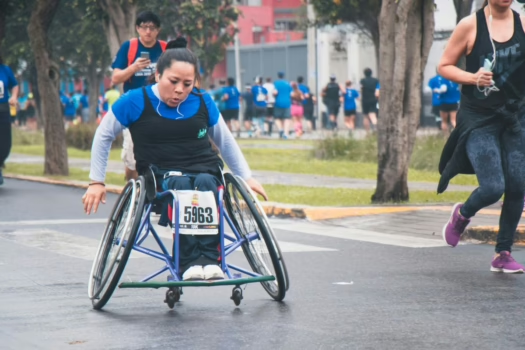
Physical activity is often associated with intense workouts or competitive sports, but movement does not need to look the same for everyone to provide benefits. Staying active supports physical health, emotional well-being, mobility, and independence across all ability levels.
The key is consistency and adaptation. Exercise should match individual needs, goals, and physical conditions rather than follow a single standard.
When movement is approached sustainably, it becomes an important part of long-term wellness.
Physical Activity Supports Mobility and Strength
Regular movement helps maintain muscle strength, coordination, and flexibility.
For individuals with physical disabilities, chronic conditions, or limited mobility, staying active can support functional independence and reduce physical decline over time.
Even low-impact activities improve circulation and joint movement.
Physical Benefits of Consistent Activity
- Improved muscle endurance and stability
- Better balance and coordination
- Reduced stiffness and mobility limitations
Small amounts of regular movement often provide meaningful long-term improvements.
Exercise Supports Cardiovascular Health
Cardiovascular activity is important at every ability level.
Adaptive cycling, swimming, walking, seated cardio routines, and other accessible activities can help improve heart and lung function.
Better cardiovascular health supports energy levels, recovery, and circulation.
The goal is not maximum intensity. The goal is to maintain sustainable movement patterns that support overall health.
Mental Wellness Improves Through Movement
Physical activity affects mental health directly.
Movement helps regulate stress hormones, improve mood stability, and support cognitive focus.
For many people, exercise also creates structure and routine, which can improve emotional stability during stressful periods.
Mental Health Benefits of Staying Active
- Reduced stress and anxiety levels
- Improved focus and mental clarity
- Better sleep and emotional regulation
The mental benefits often become noticeable before major physical changes occur.
Adaptive Fitness Expands Accessibility
Fitness has become more inclusive in recent years. Adaptive exercise programs, modified equipment, and accessible training methods now support wider participation.
People no longer need to fit traditional fitness expectations to benefit from physical activity.
Adaptive movement programs allow individuals to train safely while working within their personal limitations and goals.
This shift has made wellness more accessible across different communities.
Social Interaction Improves Long-Term Consistency
Many people stay active longer when movement includes social connection.
Group fitness programs, recreational sports, adaptive leagues, and community events create accountability and motivation.
Shared participation also reduces isolation and encourages confidence.
This social aspect can be especially important for people managing disabilities or chronic health conditions.
Movement Supports Daily Functionality
Exercise is not only about appearance or athletic performance.
Functional movement improves everyday activities such as standing, walking, lifting, reaching, or maintaining posture comfortably.
For many individuals, maintaining mobility and independence is more important than performance metrics.
Functional Areas Improved Through Activity
- Walking endurance and stability
- Core strength for posture support
- Coordination during daily movement tasks
Practical movement improvements often have the biggest impact on quality of life.
Sports and Recreational Activities Encourage Participation
Traditional exercise routines are not the only option. Recreational sports and movement-based hobbies often create stronger long-term engagement.
Walking clubs, adaptive sports, swimming programs, and track activities all provide opportunities for movement in more enjoyable settings.
Coordinated apparel such as customizable track uniforms can also help recreational groups and adaptive athletic programs build stronger community identity during training and events.
Community participation increases consistency and motivation.
Low-Impact Exercise Reduces Injury Risk
Many people avoid activity because they associate exercise with discomfort or injury.
Low-impact movement options reduce this concern significantly.
Activities such as stretching, water exercise, chair workouts, and light resistance training allow people to stay active while minimizing joint stress.
Sustainable exercise is more valuable than short periods of extreme intensity.
Personalized Wellness Approaches Work Best
No single fitness model works for everyone.
Effective wellness plans adapt to individual goals, medical conditions, mobility levels, and recovery needs.
Some people focus on endurance. Others prioritize pain management, flexibility, or balance improvement.
The most successful routines are usually the ones that feel manageable long term.
Consistency Matters More Than Intensity
One of the biggest misconceptions about fitness is that exercise must be intense to be valuable.
Regular moderate movement often produces better long-term results than inconsistent high-intensity training.
Small routines repeated consistently improve strength, energy, and mobility over time.
Sustainability should always be prioritized over unrealistic performance expectations.
Final Take
Staying active benefits people at every ability level by supporting physical strength, mobility, emotional well-being, and long-term independence.
The most effective approach is one that adapts movement to individual needs rather than forcing people into rigid fitness standards.
Whether through adaptive exercise, recreational sports, or simple daily movement, consistent activity remains one of the most important tools for improving overall wellness and quality of life.

Follow me down the rabbit hole!
I'm Alice and I live with a dizzying assortment of invisible disabilities, including ADHD and fibromyalgia. I write to raise awareness and end the stigma surrounding mental and chronic illnesses of all kinds.